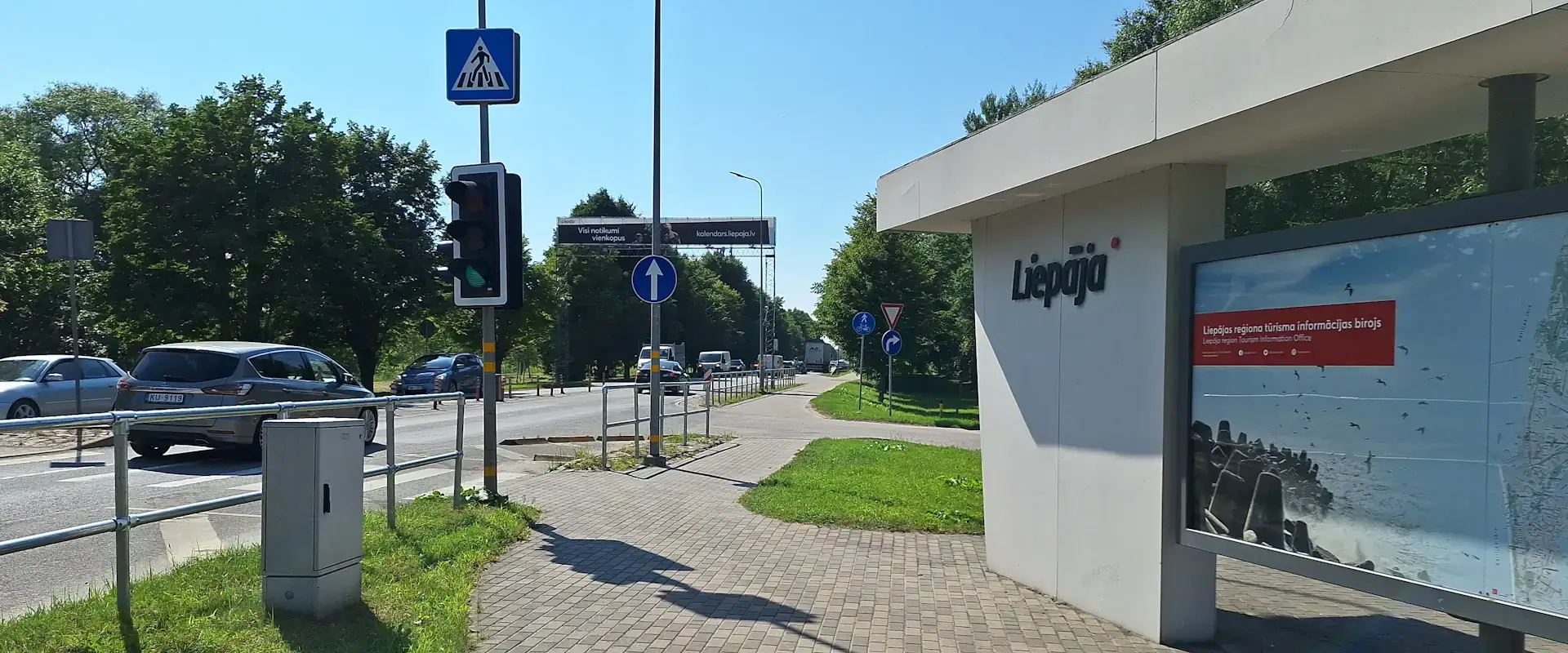

There are four ways on how to get to Liepāja that actually work, and most guides list them as though they’re interchangeable. They aren’t. Arrive by ferry with a car and you’re set up completely differently than someone stepping off the Riga train with a rucksack — and the guide that treats both the same wastes your time either way.
Two options people search for don’t exist: there’s no scheduled flight into Liepāja, and there’s no ferry from Stockholm. Both get asked about constantly, and neither gets a straight answer online — so this covers those too, honestly, rather than leaving you to find out at the booking stage.
What follows is the route breakdown by how you’re actually travelling — from Germany, from Riga, or already in the Baltics — with the specifics each one needs before you book.
How to get to Liepāja: What works?
The right route depends on where you’re starting, not on some universal “best” option. If you’re coming from Germany or Scandinavia, the Stena Line ferry from Travemünde is usually the only direct route in — and it doubles as transport if you’re bringing a car. If you’re coming from Riga, the train and the A9 both take about three hours, so the choice comes down to whether you want a car once you’re here.
| Starting point | Recommended route | Why |
|---|---|---|
| Germany / Western Europe | Stena Line ferry, Travemünde | Only direct route; brings your car |
| Riga | Train | Same speed as driving, no parking to think about |
| Riga, need a car locally | Drive via the A9 | Same 3 hours, car included |
| Riga, budget priority | Bus (Lux Express / Liepājas Autobusu Parks) | Runs more frequently through the day |
| Lithuania (Palanga / Klaipėda) | Bus or taxi overland | Avoids backtracking through Riga entirely |
Taking the Ferry from Travemünde to Liepāja
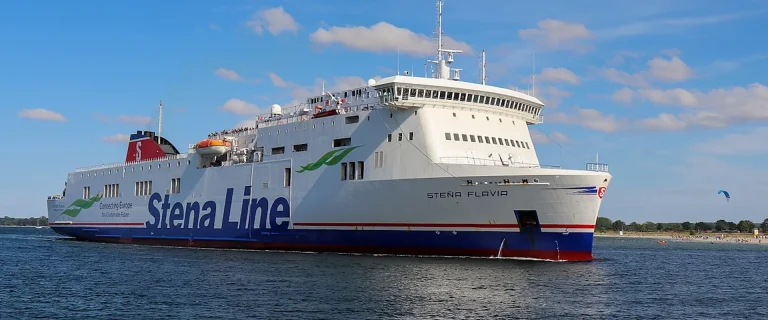
Stena Line runs the Travemünde–Liepāja crossing up to six times a week, all year round, taking 21 to 24 hours and starting at around €63 per person or €102 with a cabin. It’s the only scheduled ferry connecting Liepāja to Germany, and cars, motorbikes, and foot passengers all travel on it.
This isn’t a short Baltic hop — it’s an overnight-and-a-day crossing, which changes how you plan the rest of your trip. Book a cabin if you want to actually sleep through it rather than spend the night in a reclining seat. In July and August, cabins sell out well ahead of the sailing date, so this is the one booking on this page worth locking in early.
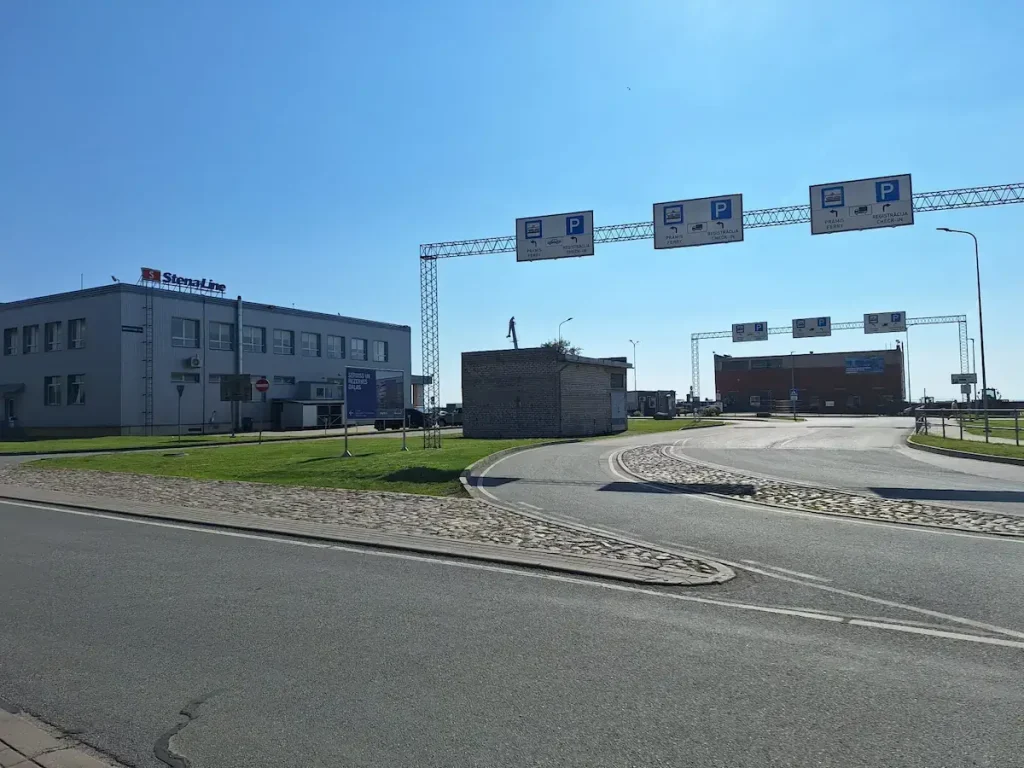
The ferry terminal sits in Liepāja’s northern district (Laumas rajons), reachable from the centre by bus 10 or 11 to the Silku iela stop, followed by a 25–30 minute walk. If you’re driving in from Riga to catch the ferry, or arriving off it and heading further into Latvia, the A9 connects directly to the port road signed “Osta” and then “Brīvosta”.
Stena Line timetable Travemünde–Liepāja.
Getting the Train from Riga to Liepāja
A direct train service connects Riga Passenger Station to Liepāja Passenger Station. By European standards, it’s a very poor service, and I wouldn’t recommend it. There is only one service per day 04:57, Liepāja→Rīga and 18:23 Rīga→Liepāja. It runs three time on Sundays. The travel time is three hours with no transfers, for roughly €10 one way.
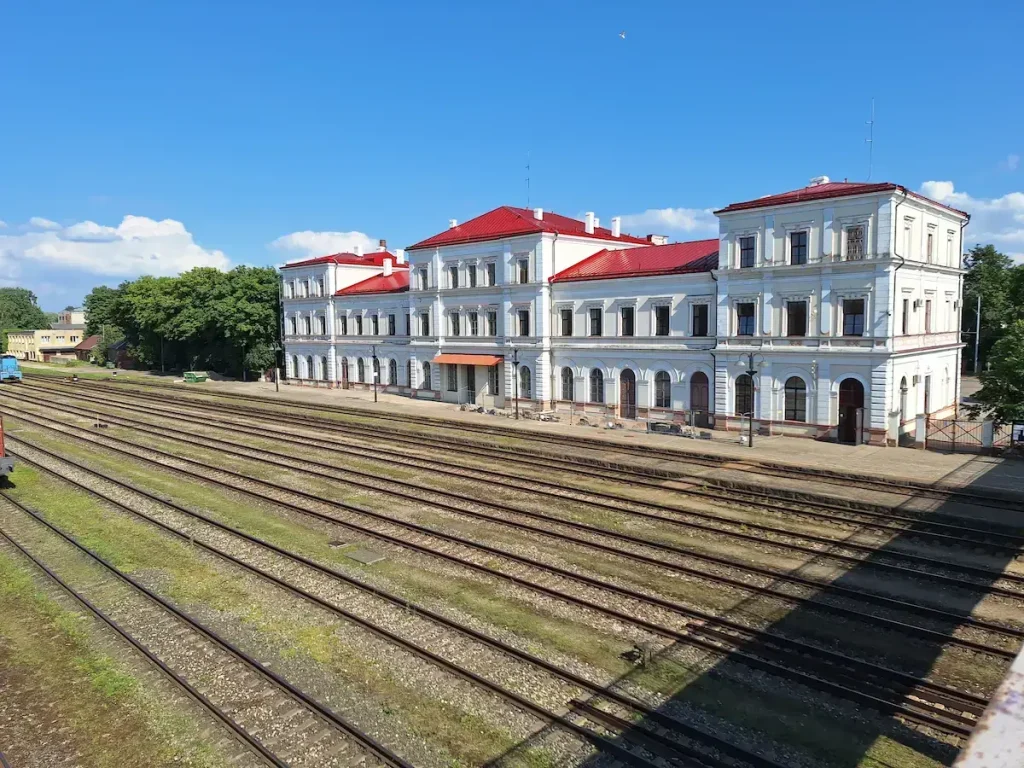
The train ride is extremely uncomfortable, with seats at a virtually 90-degree angle, making it difficult to relax. It’s also slow — taking as long as the bus. Liepāja’s train station is also the bus station. Both are a little out of the Old Town center, and the tram will take you there in five minutes.
How to get to Liepāja from Riga by Bus
Lux Express and Liepājas Autobusu Parks (LAP) both operate the Riga–Liepāja route, with services departing roughly every one to two hours throughout the day, taking 3 to 3.5 hours and costing from around €6–12. It’s the most frequent option from Riga, which matters more than the small time difference if your schedule isn’t fixed to one departure.
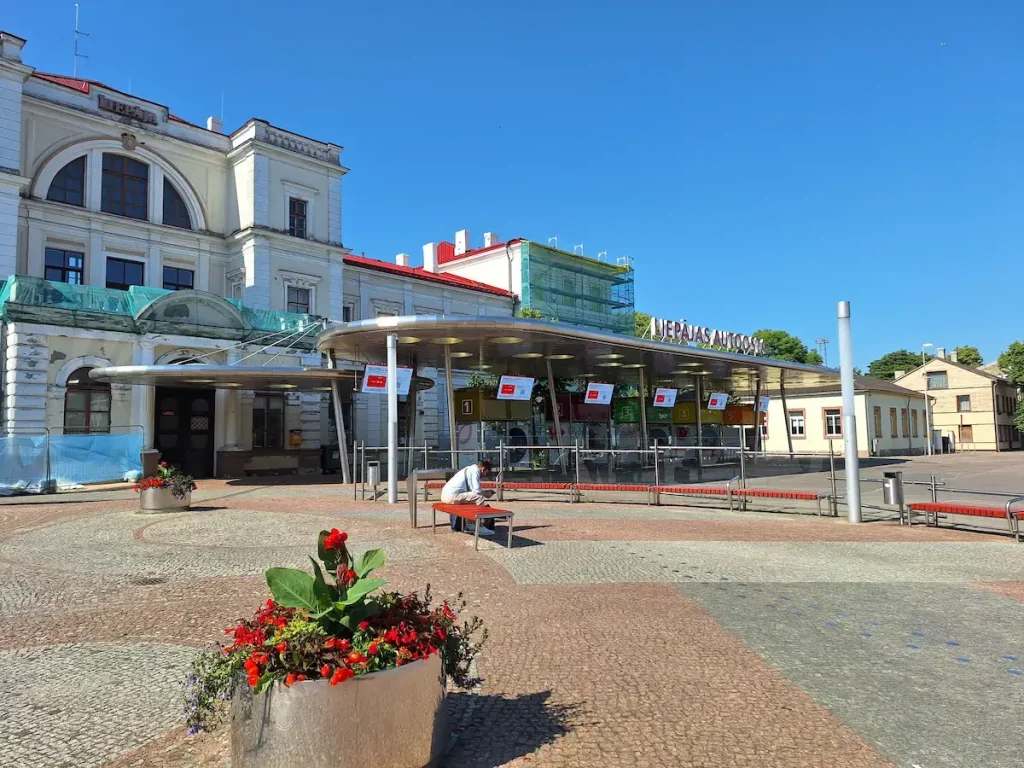
Buses run from Rīgas Starptautiskā autoosta (Riga International Bus Station) to Liepāja’s bus station, which sits alongside the train station. If you’re coming from anywhere else in Latvia rather than the capital, this is usually the easier connection — Liepāja’s bus network reaches Ventspils, Kuldīga, and the surrounding region as well as Riga.
From Riga Airport to Liepāja by Bus: the Zolitūdes iela Route
From Riga Airport, take bus 22 to the Zolitūdes iela stop, the third stop. Walk about 100 m to the footbridge, cross it and catch the Liepāja bus from the stop on the opposite side. You never go into central Riga. Book your Lux Express ticket in advance.
The obvious route runs into the centre and back out to Riga International Bus Station. This one doesn’t go near it. It cuts across the edge of the city instead and about another 1–2 hours of travel time – the only awkward part is the footbridge.
Here’s the sequence:
- Buy your Lux Express ticket before you fly. Pick a departure with plenty of slack after your landing time.
- At the airport, take bus 22. Get off at Zolitūdes iela, the third stop.
- Walk about 100 m to the footbridge and cross it (beside the Circle K petrol station).
- Wait at the Zolitūdes iela stop on the opposite side. Board the bus to Liepāja.
Slack matters more than speed here. Miss the bus and you wait for the next one, and late in the day that wait can be long. Treat a tight connection as a bad idea, not a challenge.
What to know about getting from Rīga Airport to Liepāja by bus:
- Single fare is €1.81 (correct at publishing in October 2026)
- Buy the ticket at the driver or download the “Rīga Satiksmes koda biļete” from the Google Play or Apple store.
- Bus runs every 10 minutes during regular day time hours. First bus: 5.45 am and last bus is midnight – but these are too early and late for getting the bus to Liepāja.
- All Lux Express buses stop at Zolitūdes iela to and from Liepāja.
- The footbridge has a ramp.
Best for: light luggage and a flight that lands with hours to spare. Not ideal if you’re dragging heavy cases, landing late at night, or can’t manage a footbridge.
How to Get to Liepāja by Car from Riga
The A9 is the direct road route from Riga to Liepāja, covering roughly 220km in about three hours with no tolls. It’s the only option on this page that gives you a car once you’re actually in Liepāja — worth it if you’re planning to reach Bernati beach, 30km south, or take day trips further into Kurzeme.
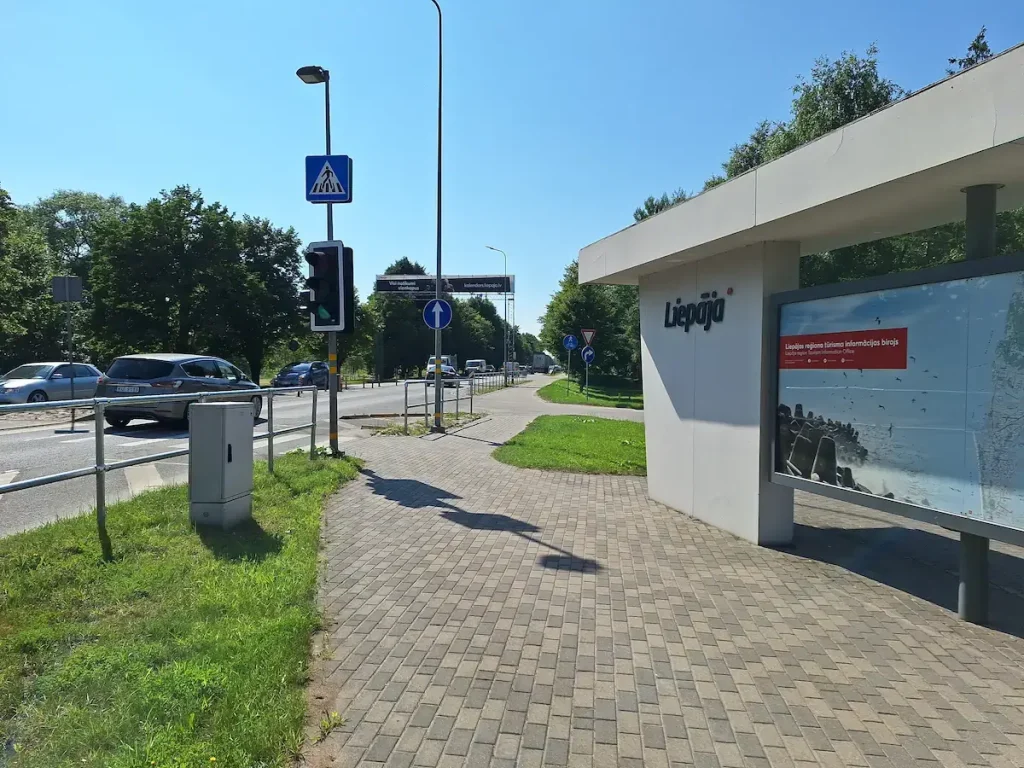
Without those plans, a car buys you little extra: central Liepāja, the main beach, and Karosta are all walkable or bus-accessible, and parking in the centre isn’t always straightforward in summer. Renting in Riga and dropping off in Liepāja, or vice versa, is possible through the major agencies if you only need the car one way.
Can you fly or take a Ferry from Stockholm to Liepāja?
Liepāja International Airport exists — it just runs no regular scheduled passenger service. And there’s no Stena Line, or anyone else, running a ferry to Stockholm. Both get searched for constantly, and both trip people up mid-planning. Nearest working airports: Riga (220 km) and Palanga in Lithuania (76 km). The only sea route in is the Travemünde crossing above.
Planning a Scandinavia-to-Liepāja trip by ferry? The only option to get to Liepaja by ferry is by the Karlshamn–Klaipeda or Stockholm–Ventspils routes.
The only other options are flying into Riga or Palanga and continuing by bus. This isn’t about to change on any published timetable — plan around it rather than checking back closer to your trip.
From Riga Airport there is a bus route that avoids the city centre: see From Riga Airport to Liepāja by Bus.
Getting to Liepāja from Lithuania
If you’re already touring Lithuania, Liepāja is reachable overland without going anywhere near Riga: Palanga sits about 70 km south, roughly an hour by bus or taxi, and Klaipėda is around 2 hours by bus. Both routes let you combine a Baltic coast trip across two countries without doubling back inland.
This is the option most Getting Here guides skip entirely, because they’re written from a Riga-centric view of Latvia. For anyone flying into Palanga Airport specifically to reach this stretch of coast, it’s often the shortest route in of any listed here.
Getting to Liepāja without a Car
Every route into Liepāja — ferry, train, and bus — arrives within the city or a short bus ride from the centre, so travelling without a car is completely workable. Once here, the centre, the 8 km Blue Flag beach, and Karosta are all walkable or reachable by local bus; only Bernati and day trips further afield genuinely need a vehicle.
Liepāja’s bus network is straightforward once you’re oriented, and the city itself is flat and compact enough that cycling covers most of what a car would.
Who is this route network for?
Getting to Liepāja suits independent travellers coming by ferry with a car, Riga-based visitors happy with a 3-hour train or bus, and anyone already touring the Baltic coast from Lithuania.
Travelling to Liepāja isn’t worth it as a single day trip from Riga — three hours each way is a real commitment, not a quick detour — or for anyone assuming a direct flight or Stockholm ferry exists, since neither does. Best planned as a weekend minimum when staying in a Liepaja hotel, longer if arriving by the Travemünde ferry.
Liepāja is also the practical gateway for Liepāja 2027 visitors — the city’s European Capital of Culture year — so if your trip is timed around programme events, the same routes above apply; check the 2027 site for what’s actually on once you’ve worked out how you’re arriving.
Frequently asked questions
Can you fly into Riga and take the bus to Liepāja?
Yes. From Riga Airport, take bus 22 to the Zolitūdes iela stop, walk about 100 m to the footbridge, cross it and board the Liepāja bus from the stop on the opposite side.
Buy your Lux Express ticket beforehand and leave plenty of time between landing and departure. The route avoids central Riga entirely.
How do you get to Liepāja?
Liepāja is reached by ferry from Travemünde, Germany, by direct train or bus from Riga, by car via the A9, or overland from Lithuania through Palanga or Klaipėda.
The Stena Line ferry takes around 21–24 hours, while the journey from Riga takes roughly three hours. There are no scheduled flights into Liepāja itself, so ground or sea transport is the only practical way in.
Does Liepāja have an airport with regular flights?
No. Liepāja International Airport currently has no regular scheduled passenger service.
The nearest airports with scheduled flights are Riga International Airport, around 220 km away, and Palanga Airport in Lithuania, approximately 76 km south.
Is there a ferry from Stockholm to Liepāja?
No. There is currently no scheduled ferry connecting Stockholm with Liepāja.
The city’s only regular international passenger ferry route runs from Travemünde in Germany and is operated by Stena Line.
Is it faster to take the train or the bus from Riga to Liepāja?
Both take roughly three hours and usually cost about the same, so neither has a meaningful advantage on journey time.
The train is slightly smoother and makes fewer stops. The bus runs more frequently, which often matters more if your plans do not fit the train departure.
How long is the ferry crossing from Germany to Liepāja?
The Stena Line crossing from Travemünde to Liepāja takes around 21–24 hours and normally operates several times a week throughout the year.
It is an overnight-plus-a-day journey rather than a short Baltic crossing. A cabin costs more, but spending that long trying to sleep in a chair is a poor start to any holiday.
Do you need a car to get around once you are in Liepāja?
No. The city centre, Old Town, main beach and most central attractions are easy to reach on foot. Karosta sits further north but is connected by local buses.
A car becomes useful for places outside the city, including Bernāti beach around 30 km south and day trips through the wider Kurzeme region.