
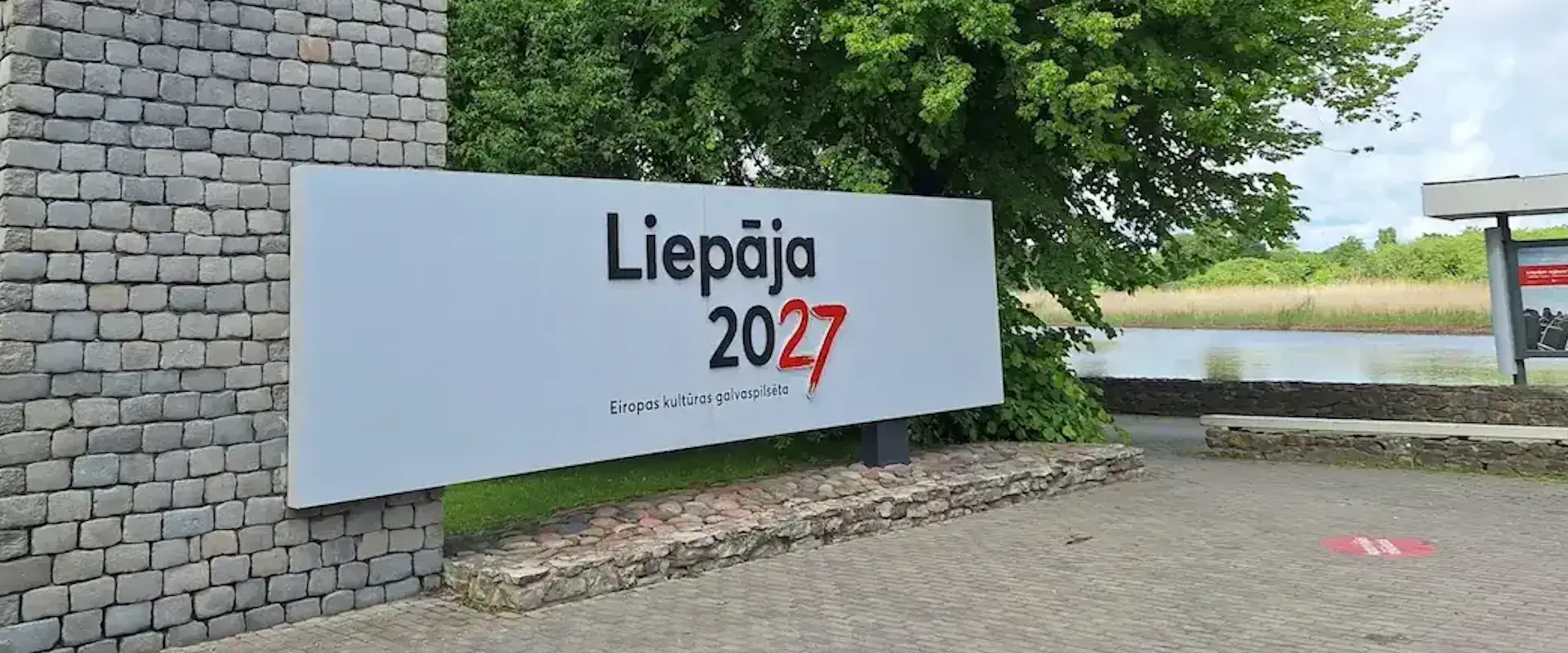
Search “Liepāja 2027” and you’ll get three different answers depending on which page you land on. Some still list three host cities for the year. Some conflate the city with the programme name. Some guides to the European City of Culture are two years out of date on what’s actually confirmed.
Quick facts — Liepāja 2027
- What it is: European Capital of Culture 2027, awarded by the European Commission
- Co-host: Évora, Portugal (two cities share the 2027 title, not three)
- Programme name: (un)rest — “the Land of (un)rest”
- Runs: Full 2027 calendar year; opening events 22–23 January 2027
- Territory: Liepāja city, South Kurzeme Region, Kuldīga Region
- Best for: Culture-led trips, first-time visitors curious what “European Capital of Culture” actually means here
- Not ideal if: You want a fixed, finished events calendar — programming is still being added through 2027
- Getting there: Three hours from Riga by road or bus, or Stena Line ferry from Travemünde — see getting to Liepāja
That’s not surprising — Liepāja isn’t a city most people outside the Baltics have had reason to look up before, and the European Capital of Culture designation only becomes fully specific to a place a few months before it happens. Programming is still being added.
Here’s what’s actually confirmed, sourced against the European Commission’s own designation page and the official Liepāja 2027 programme, plus what it means for anyone planning a trip around it.
What Is Liepāja 2027?
Liepāja 2027 is Latvia’s third city holding the title of European Capital of Culture for the full 2027 calendar year — a designation awarded by the European Commission that gives a city a year of EU-backed cultural programming and international attention. Liepāja shares the 2027 title with Évora, Portugal.
The European Capital of Culture (ECoC) initiative has run since 1985, when it began as an idea from Greek culture minister Melina Mercouri to put European cultural identity on equal footing with economic integration. Two cities are typically named per year, one from each of two rotating groups of EU member states. Liepāja is Latvia’s turn; Évora is Portugal’s.
Liepāja’s specific programme carries its own name: (un)rest, framed as “the Land of (un)rest” and covering not just the city but the wider South Kurzeme and Kuldīga regions. That distinction matters — “Liepāja 2027” is the year and the designation; “(un)rest” is the creative concept the city built its bid around. More on what (un)rest actually means.
Liepāja and Évora: The Two 2027 Capitals
Two cities hold the European Capital of Culture title in 2027 — Liepāja in Latvia and Évora in Portugal — not three. České Budějovice, sometimes listed alongside them, is the Czech Republic’s 2028 host, a year later, and mixing the two up is one of the most common factual errors floating around online right now.
The two cities don’t run a joint programme — each has its own city, its own theme, and its own calendar — but both operate under the same EU designation framework and both receive the same recognition tools, including eligibility for the European Commission’s Melina Mercouri Prize, a one-off €1.5 million award given to the year’s designated cities once they meet EU monitoring criteria.
For a visitor, the practical takeaway is simple: Liepāja and Évora are not a joint itinerary in any meaningful sense — they’re roughly 3,000km apart, on opposite sides of Europe. They share a title, not a trip.
Riga held the ECoC title in 2014, which makes Liepāja the second Latvian city to hold it. That gap — thirteen years — is itself informative: the designation doesn’t repeat within a country on any short cycle, so a Latvian ECoC year is a genuinely rare event, not an annual fixture.
What the (Un)Rest Programme Actually Covers
The (un)rest programme is built around five stated goals: diversifying international cultural cooperation, encouraging public involvement in shaping the local environment, enhancing digital cultural experiences, defining and promoting the region’s own cultural identity, and increasing citizen participation in civic life. Those goals shape which events get funded, not just what gets promoted.
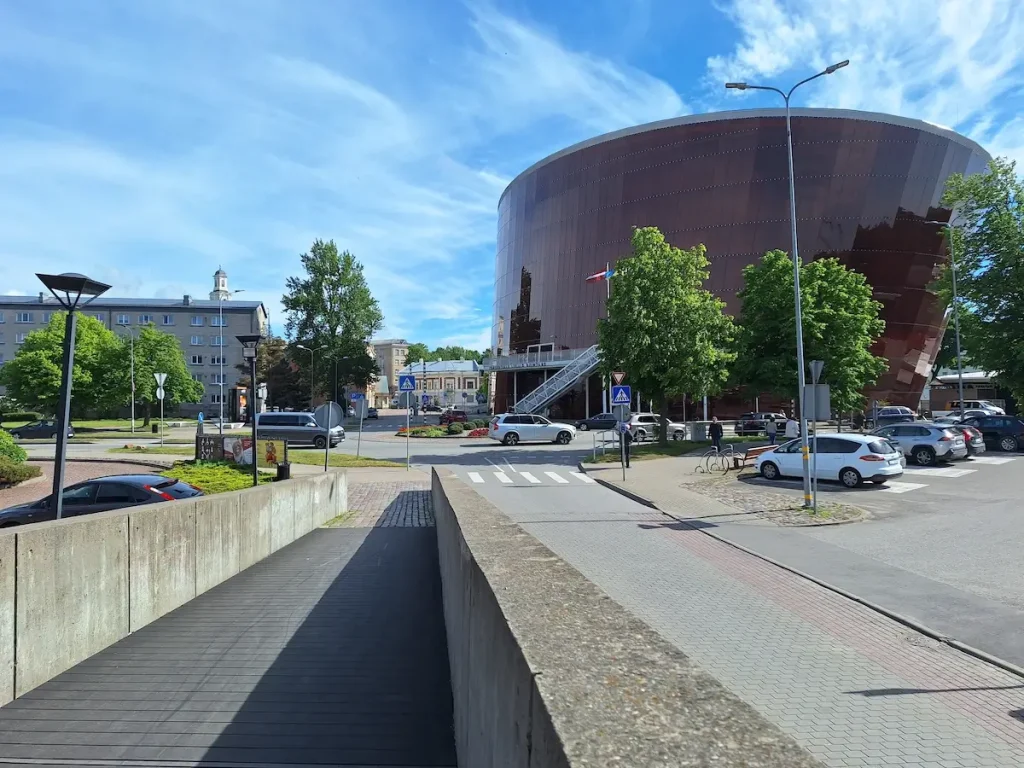
In practice, that means the year splits across two registers. At the high-production end: major concert and opera bookings at the Great Amber Concert Hall, including Sun & Sea — the Golden Lion-winning Lithuanian opera-performance — in April, and Europa Cantat, a 3,000-strong choral festival, in August.
At the community end: dozens of smaller, locally-rooted projects funded through an open co-financing call, many concentrated in Karosta, the former Soviet naval district on Liepāja’s northern edge. Confirmed examples include In its place. The story of our European (un)peace opening in Kuldīga on 22 January 2027, and Night of Unrest — an all-night open-air dance event at Rožu laukums the following evening, 23 January. There will also be a concert in the Great Amber Hall.
That mix — a handful of international headline bookings against a much larger base of community and regional projects — is deliberate. It’s also why the programme is genuinely still filling in through 2027 rather than fully fixed a year out; funded projects keep being added.
Why Liepāja Won the Designation
Liepāja is Latvia’s third city — around 70,000 people on the Baltic coast, three hours from Riga — and its bid leaned on a genuine contradiction rather than papering over it: a nineteenth-century symphony orchestra and cathedral organ sitting a few kilometres from a sealed-off Soviet naval base that only reopened to civilians in 1994.
The bid’s own language calls this the “Port Paradox” — wind and beaches, military and music, industry and leisure, existing in the same small city without resolving into something tidier. It’s the reasoning behind the (un)rest name itself: not smoothing over what’s unsettled about the place, but building a year of culture around it. The full case for why Liepāja won is covered here, and what the city already had going for it — orchestra, theatre, organ, venues — is covered separately too.
Who Liepāja 2027 Is For
Liepāja 2027 suits travellers who want serious, internationally-programmed culture without Riga-level crowds or prices — classical music and opera fans drawn by the Great Amber Concert Hall’s 2027 bookings, choral singers heading to Europa Cantat, and anyone curious about a European Capital of Culture year that hasn’t been sanded down into a marketing concept.
It’s not ideal for visitors who want a single confirmed calendar to book against months in advance — the programme adds events progressively through the year, so committing early works better for a headline booking (Sun & Sea, Europa Cantat) than for the full community programme. It also isn’t a beach-holiday trip primarily; culture is the reason to come, not the coastline.
What to Know Before You Plan Around It
The programme runs the full 2027 calendar year, but not evenly — major concert bookings cluster around specific dates (April, July–August, October), while the community programme runs continuously and is added to as funding rounds are approved. Building a trip around a specific named event, rather than “the 2027 year” generally, gets a much more predictable result.
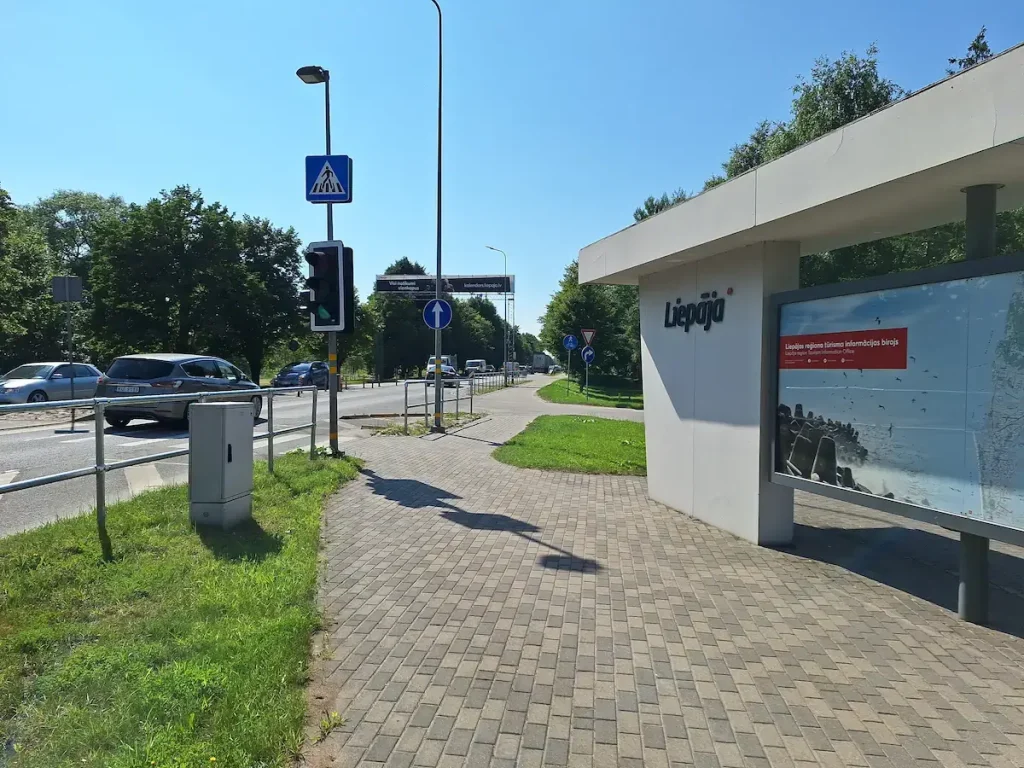
Liepāja is remote by design, not by accident of infrastructure — there’s no scheduled airport service, so getting here means a three-hour drive or bus from Riga, or the Stena Line ferry from Travemünde in Germany. That’s a real planning constraint for a short trip: allow for it rather than treating Liepāja as a day excursion.
Tickets for the highest-profile bookings — Sun & Sea in April, in particular — sell out well ahead of the date given the work’s international reputation. Community and exhibition events are mostly free, but rarely have the same advance-notice ticketing, so those are better planned once you’re closer to travel dates.
How to Plan a Visit Around the Programme
| If you want | Best window | Book |
|---|---|---|
| A major opera/concert booking | April 2027 (Sun & Sea) or July–October (Opera by the Sea, Europa Cantat) | Tickets — book early |
| The programme’s opening events | 22–23 January 2027 | Mostly free |
| A quieter, cheaper trip with cultural context | Shoulder season — spring or autumn, outside the named event dates | Seasonal |
| The full regional picture, not just Liepāja city | Any time — extend to Kuldīga (UNESCO Old Town) and South Kurzeme | Year-round |
Start with getting to Liepāja for the route options, then hotels in Liepāja — book earlier for named event dates than you would for a normal weekend, since concert dates pull in visitors from across the Baltics. For Great Amber bookings specifically, pair the concert with a night in the city rather than trying to day-trip it from Riga.
Venues and Events Worth Building a Trip Around
The Great Amber Concert Hall — Lielais Dzintars — is where the highest-profile 2027 programme lands: Sun & Sea in April, Europa Cantat in August, and the Liepāja Symphony Orchestra’s own Opera by the Sea across two dates in July and October.
Beyond the concert hall, Holy Trinity Cathedral and the Liepāja Theatre both carry their own role in the year — a 140-year-old unmodified organ and Latvia’s oldest continuously operating professional theatre, respectively. A fuller tour of where the year actually happens, including Karosta’s role in the Port Paradox strand, is at Liepāja’s 2027 venues.
For the practical side of a trip once you’re here — where to eat, what else to see in the city — see Liepāja restaurants and the Karosta district guide.
Frequently asked questions
What is Liepāja 2027?
Liepāja 2027 refers to Liepāja, Latvia, holding the title of European Capital of Culture for the 2027 calendar year — a European Commission designation that funds a year of cultural programming under the theme (un)rest. Liepāja shares the 2027 title with Évora, Portugal.
Which cities are European Capital of Culture in 2027?
Two cities hold the European Capital of Culture title in 2027: Liepāja in Latvia and Évora in Portugal. České Budějovice in the Czech Republic is sometimes confused with the 2027 hosts, but it holds the title for 2028, a year later.
What does (un)rest mean?
(Un)rest is the name of Liepāja’s 2027 cultural programme, framed as “the Land of (un)rest.” It reflects the city’s own contradictions — a Soviet naval district beside a nineteenth-century concert tradition — treating that unsettledness as the programme’s subject rather than something to smooth over.
When does the Liepāja 2027 programme start and end?
The Liepāja 2027 programme runs the full 2027 calendar year, with opening events on 22–23 January 2027 in Aizpute and at Rožu laukums in Liepāja. Major concert and opera bookings are concentrated around specific dates through the year rather than spread evenly.
How do I get to Liepāja for the 2027 programme?
Liepāja has no scheduled airport service. It’s reached by a three-hour drive or bus from Riga, or by Stena Line ferry from Travemünde, Germany. See getting to Liepāja for the full route breakdown.
Do I need to book tickets in advance for Liepāja 2027 events?
Book ahead for major named bookings — Sun & Sea in April and Europa Cantat in August, both at the Great Amber Concert Hall, sell out given their international profile. Most community and exhibition events are free and don’t require advance tickets, but are announced closer to their dates.
Opera on the Baltic Coast: What Liepāja's Orchestra Has Planned for ECoC Year
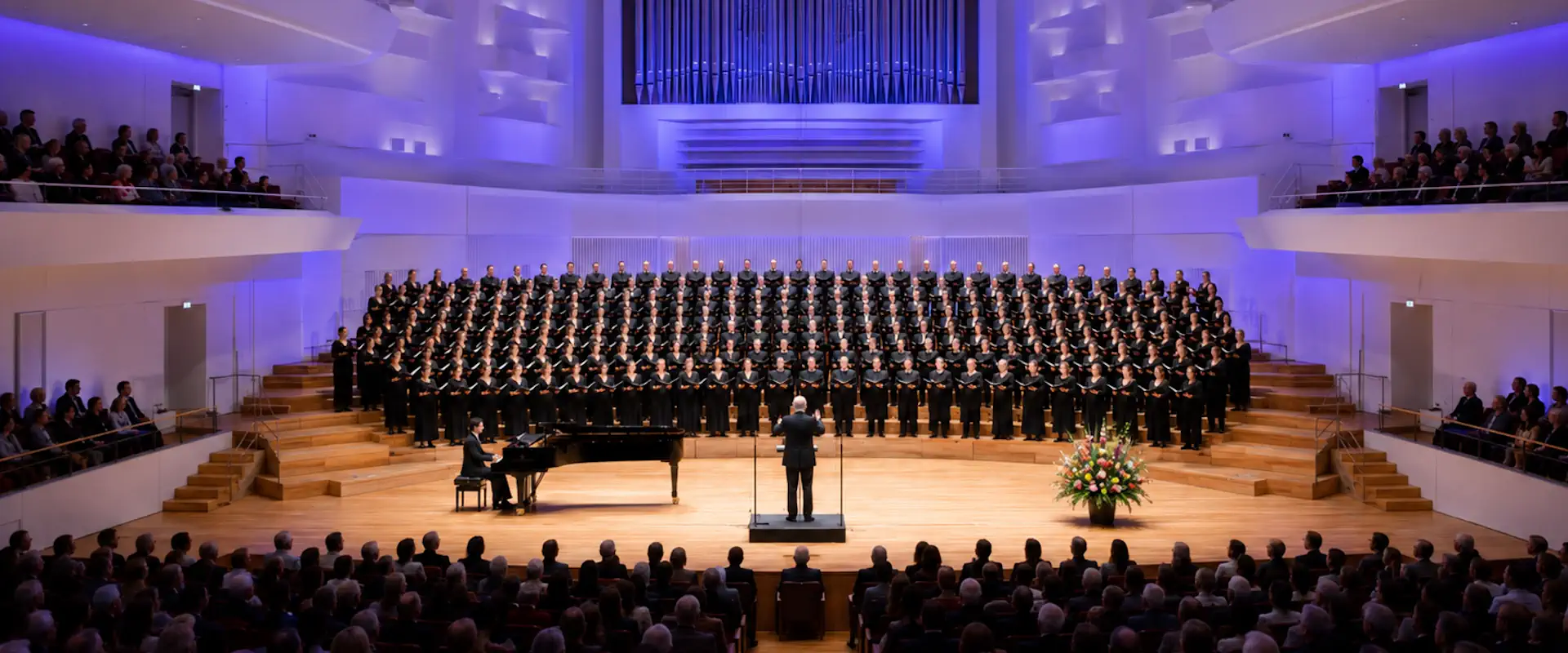
The Liepāja Symphony Orchestra is staging Opera by the Sea as part of the city’s European Capital of Culture year. Two dates: 24 July 2027 and 9 October 2027. July on the Baltic coast is a reasonable proposition. October is…
The Organ That Nobody Has Touched: Holy Trinity Cathedral and 7,000 Unmodified Pipes
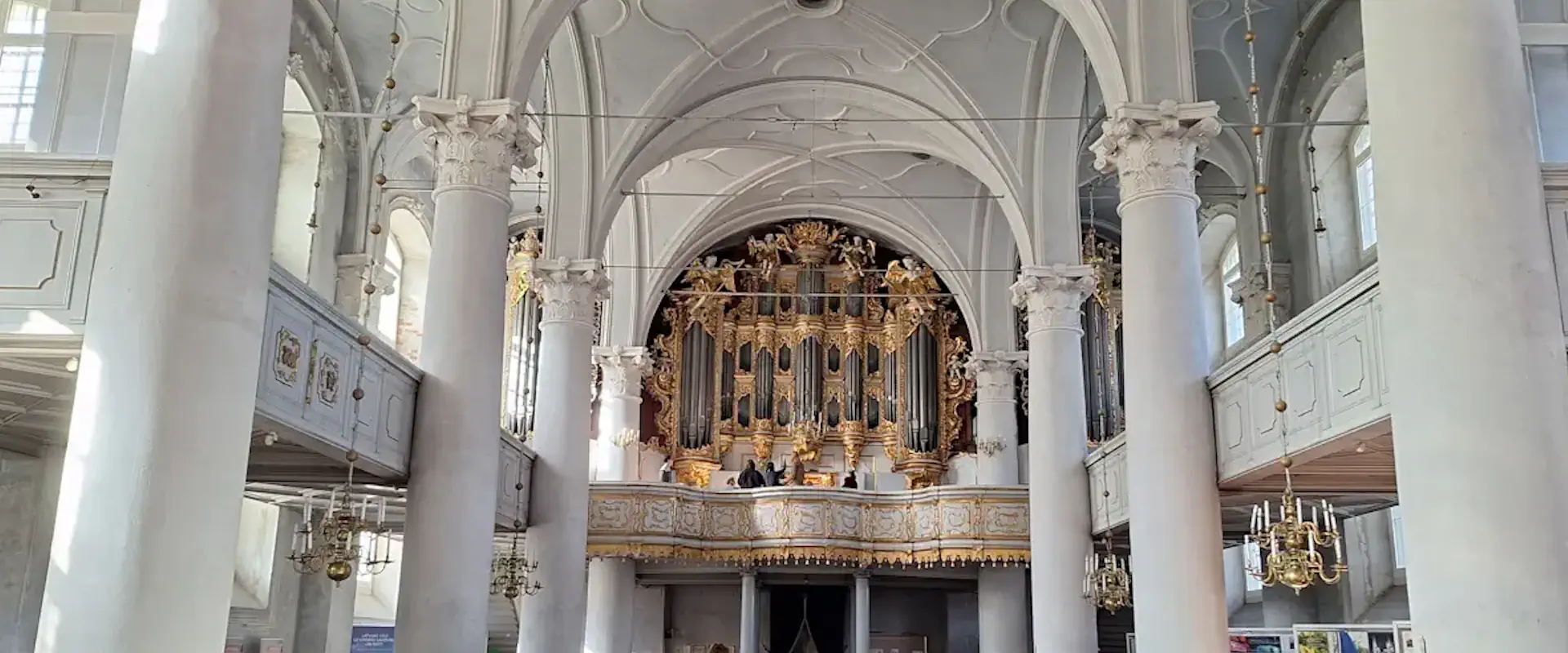
Most claims to have the world’s largest something come with qualifications. This one has several. Holy Trinity Cathedral in Liepāja contains the world’s largest mechanical organ that has never been rebuilt. The distinction matters. Quick facts — Holy Trinity Cathedral…
Europa Cantat Is Coming to Liepāja 2027 – all 3,000 of Them
From 9 to 15 August 2027, Liepāja will host Europa Cantat — one of Europe’s largest gatherings of amateur choral musicians. More than 3,000 singers, conductors and enthusiasts are expected. In a city of 67,000 people, that ratio is worth…
The Opera That Won Venice's Golden Lion Is Coming to Liepāja
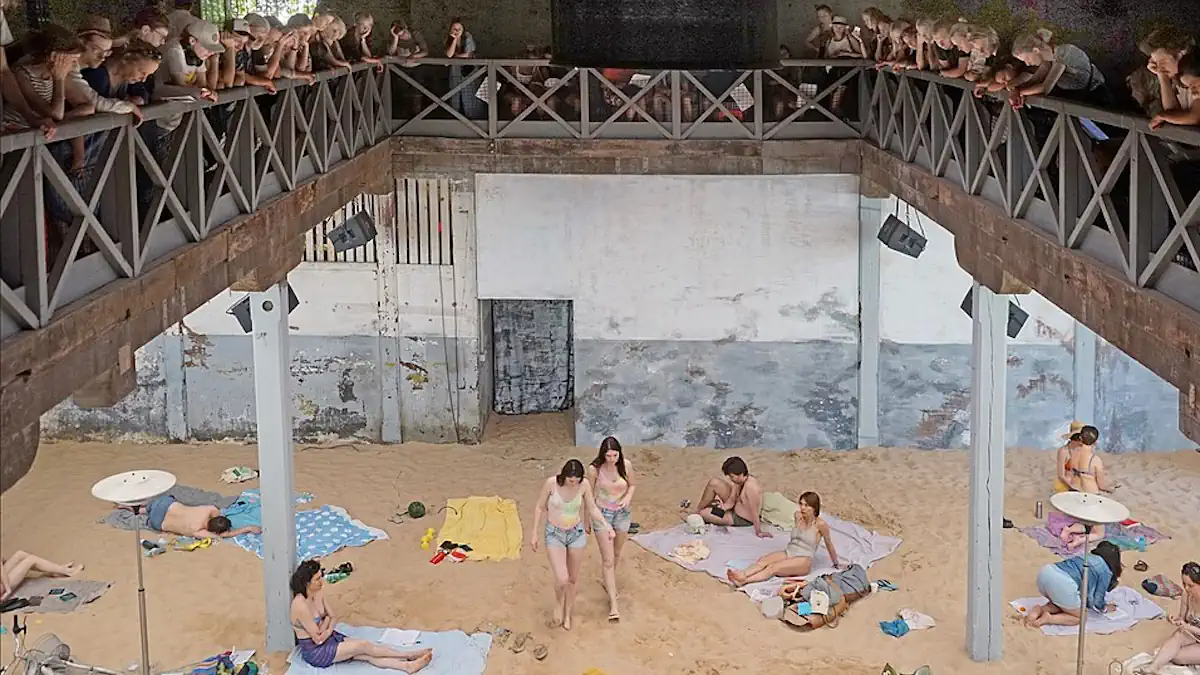
Sun & Sea (Marina) — the Lithuanian opera-performance that won the Golden Lion at the 2019 Venice Biennale — plays Liepāja’s Great Amber Concert Hall from 8 to 11 April 2027. Four nights. A Baltic city of 67,000 people. One…
(Un)Rest: The Idea Behind Liepāja 2027's 500-Event Programme
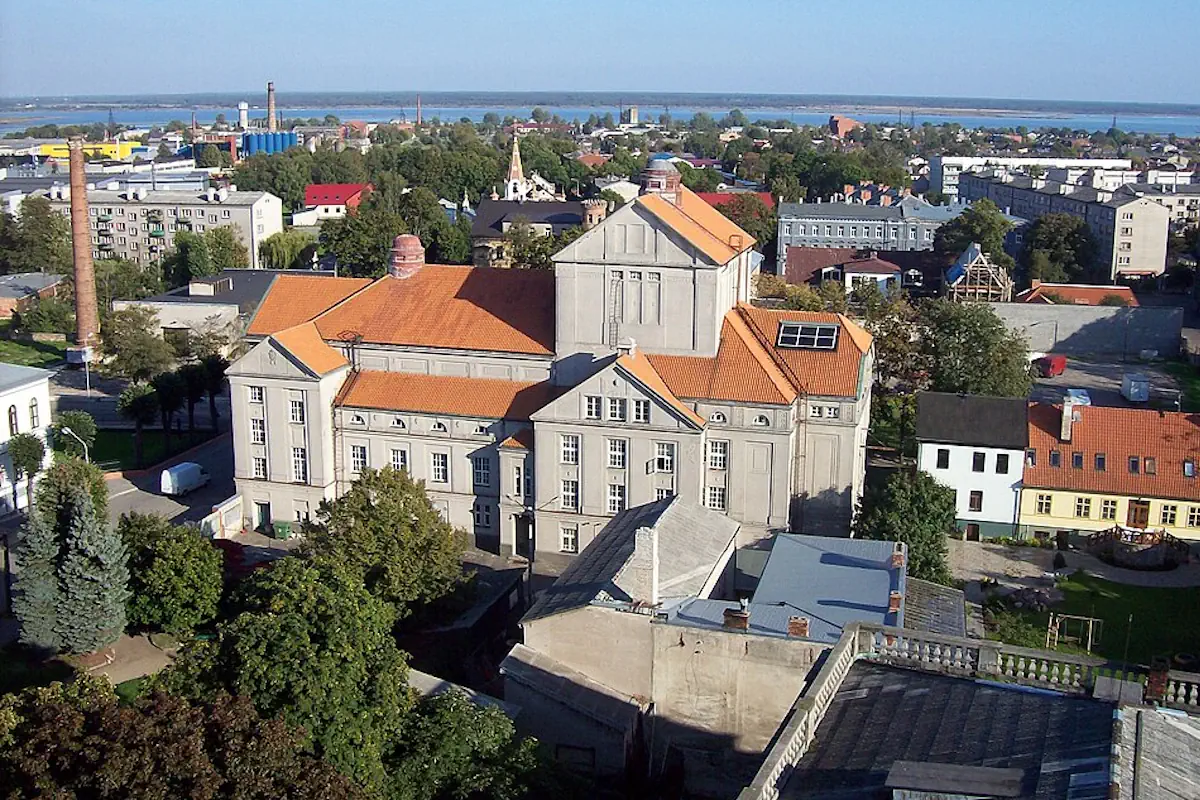
Most European Capital of Culture programmes name themselves something aspirational. Words like rise, together, bloom — names that smooth over whatever is complicated about the city in question and offer something more comfortable to the European jury. Liepāja chose (un)rest.…
Coming to Liepāja in 2027: What the Programme Actually Looks Like
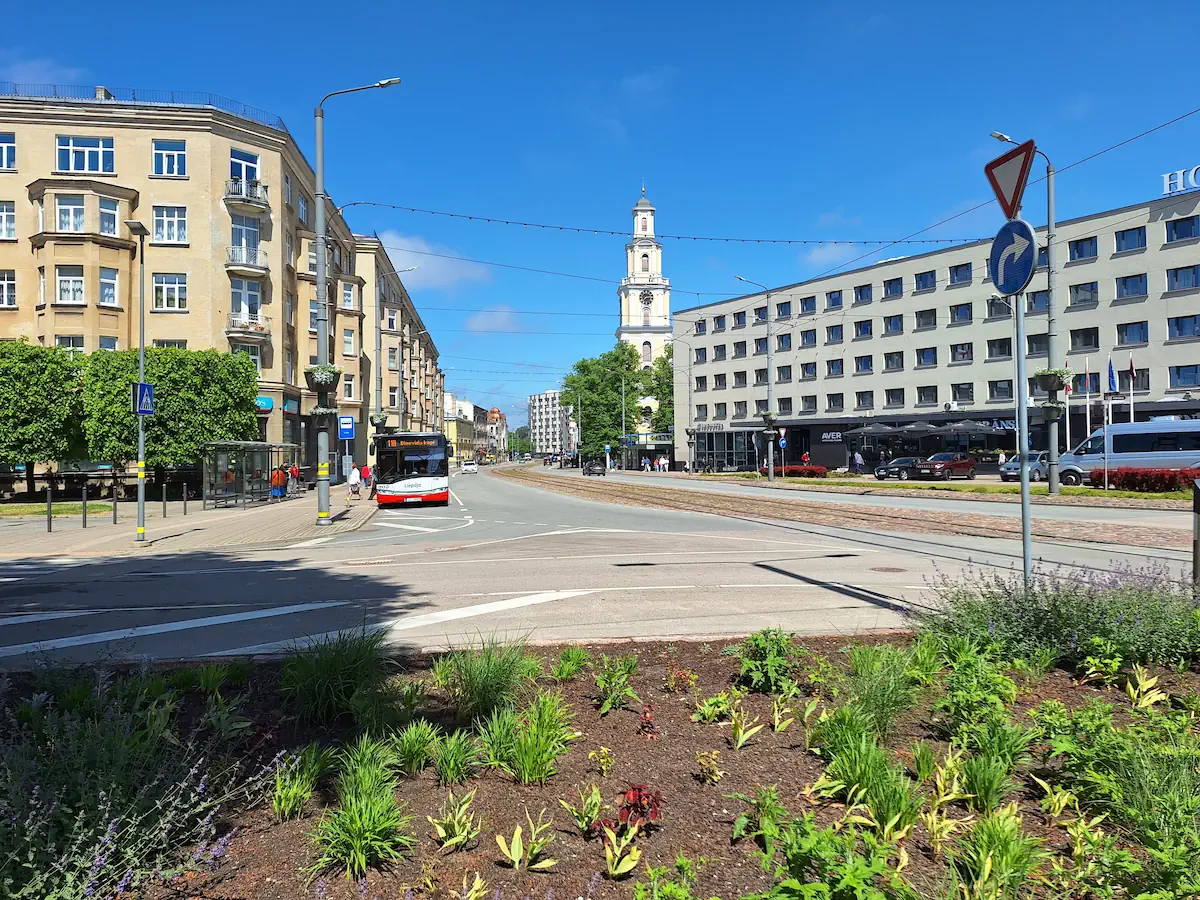
The Liepāja 2027 European Capital of Culture programme runs from April to December — nine months of events, exhibitions, performances, residencies, and community projects across a city of 67,000 people and two surrounding regions. If you are thinking about visiting,…
Why Liepāja Won the European Capital of Culture Designation
When the European Commission announced that Liepāja would be a European Capital of Culture for 2027, the reaction in Latvia was something between pride and mild disbelief. Not because the city doesn’t deserve it. Because it is, by most measures,…
Sun & Sea and What's Coming to Great Amber Concert Hall in 2027
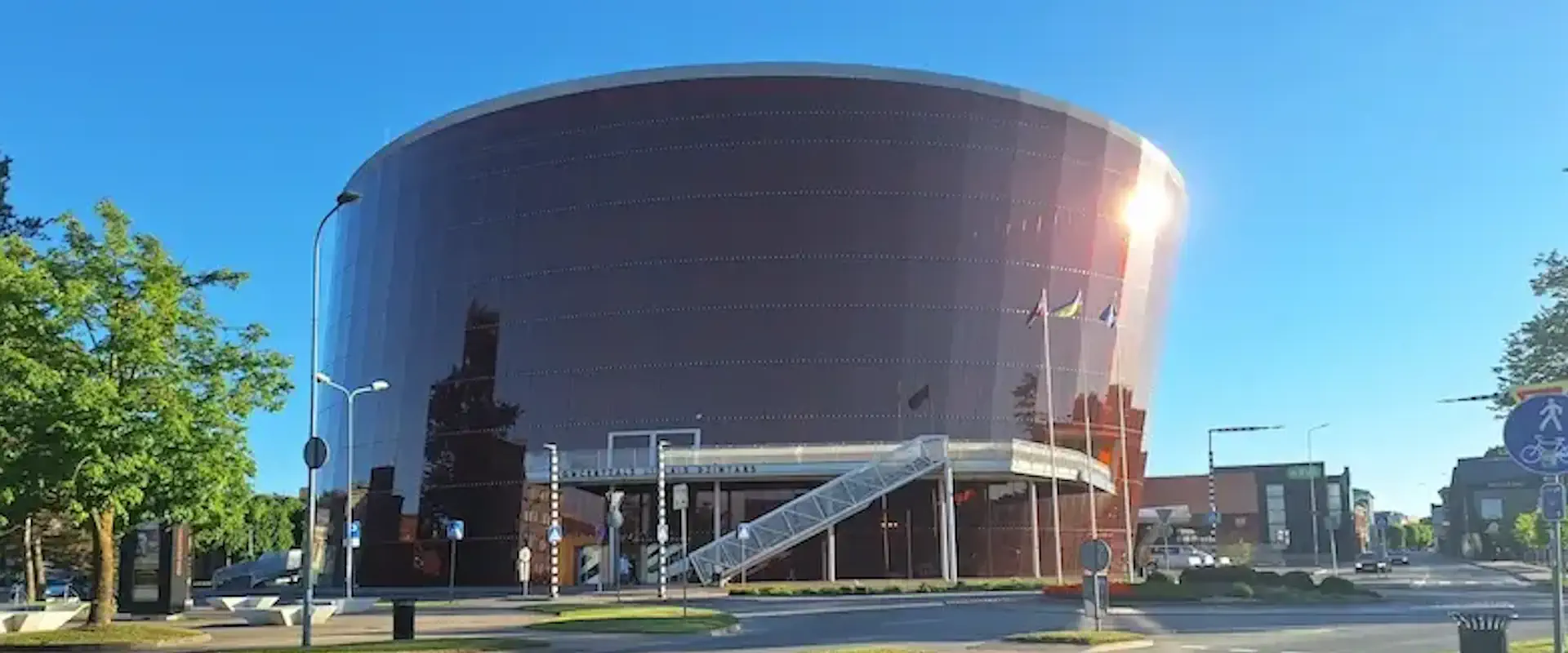
The most talked-about event at the Great Amber Concert Hall in 2027 has already been decided. Sun & Sea (Saulė ir jūra), the Lithuanian opera-performance that won the Golden Lion for Best National Participation at the 2019 Venice Biennale, will…