
When the European Commission announced that Liepāja would be a European Capital of Culture for 2027, the reaction in Latvia was something between pride and mild disbelief. Not because the city doesn’t deserve it. Because it is, by most measures, an unlikely choice.
Quick facts — Liepāja’s ECoC designation
- Title: European Capital of Culture 2027 and shared with Évora (Portugal)
- Programme name: (un)rest
- Territory: Liepāja city, South Kurzeme Region, Kuldīga Region
- Best for: Understanding why Liepāja got the designation, not just what’s on
- See also: what the (un)rest programme actually covers
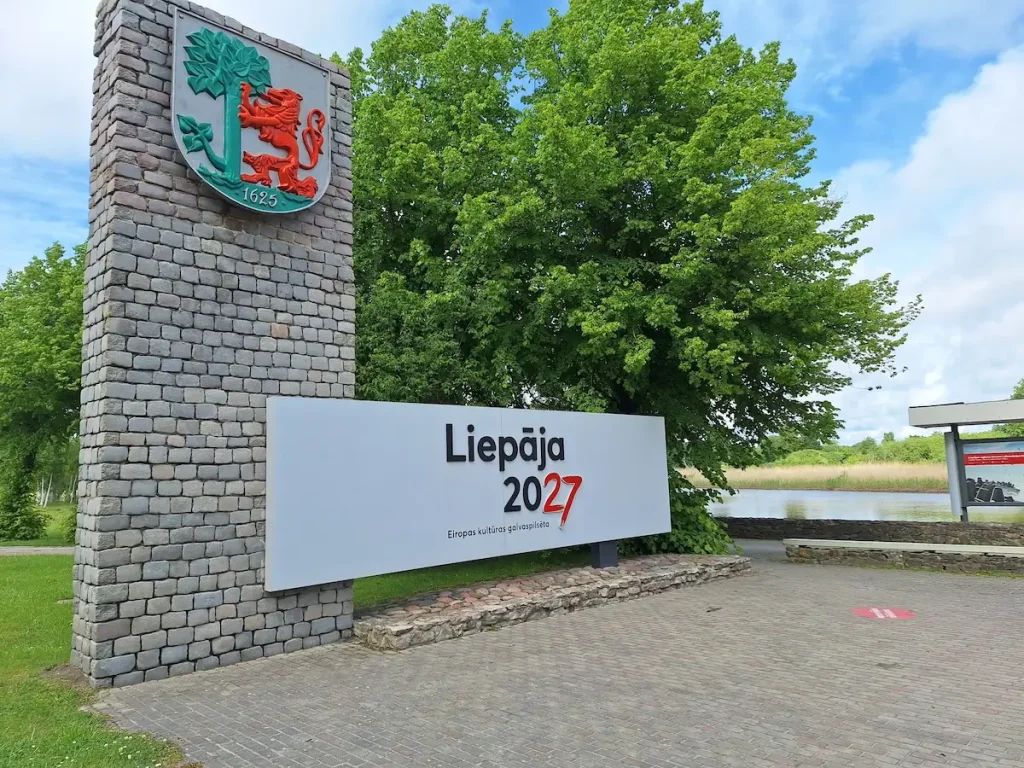
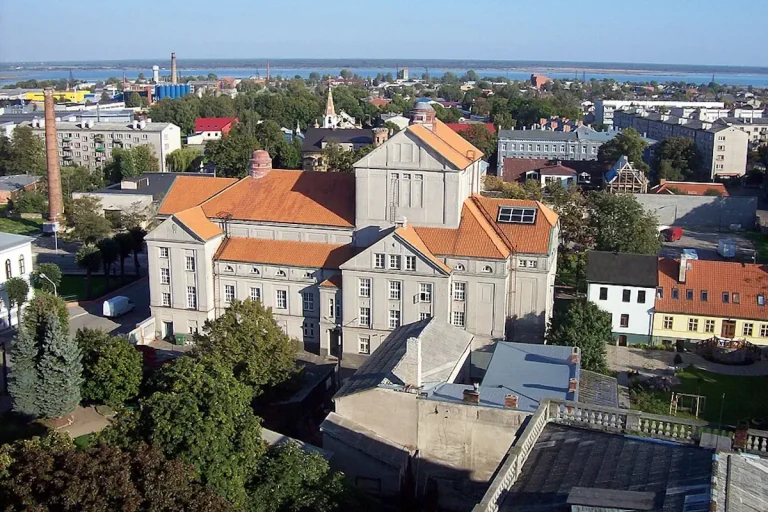
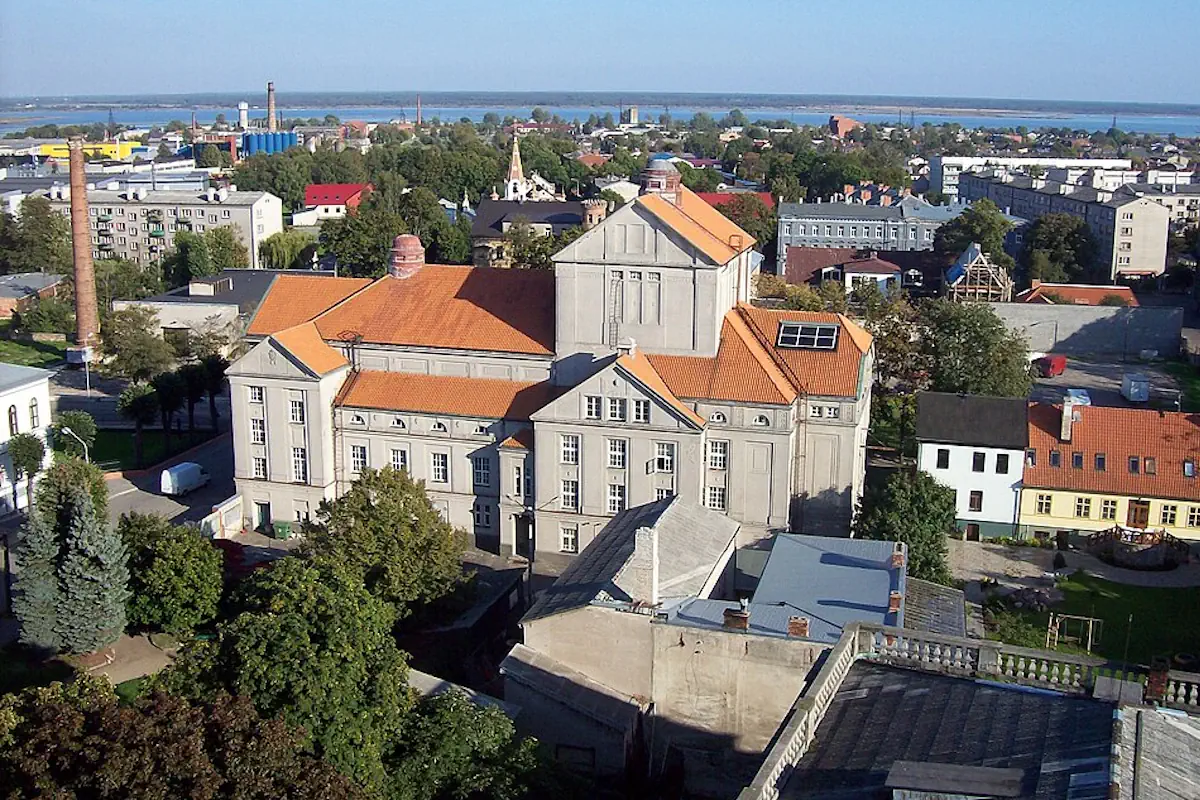
Liepāja is Latvia’s third city. Its population is around 67,000. It sits on the Baltic coast in the Kurzeme region, three hours from Riga by road, accessible by ferry from Travemünde in Germany. Most Europeans cannot find it on a map. Those who have heard of it often know it for one of two things: the wind, or the Soviet naval base.
In this article
So why Liepāja?
The City the Programme Grew From
The short answer is that the (un)rest programme — Liepāja’s ECoC concept — is not a marketing construct. It describes something real about the city.
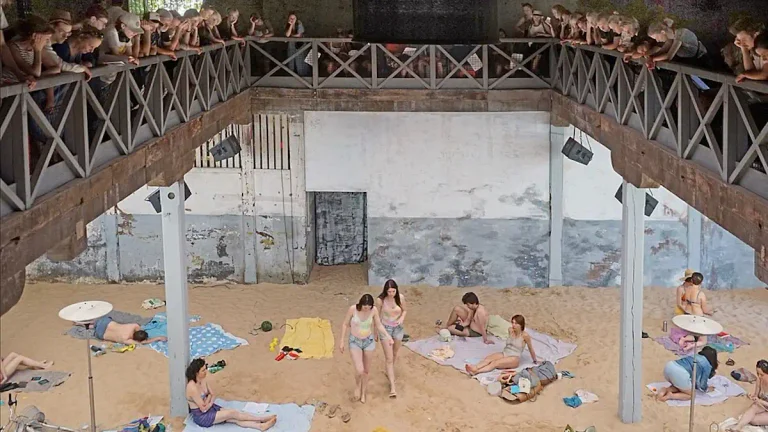
Liepāja has always been a city of contradictions. The programme’s own language identifies the “Port Paradox” at its core: brisk northerly winds alongside sun-warmed beaches, metal alongside lace, the militarised Karosta district alongside a vibrant rock music scene, industry alongside leisure. These are not contrasts the bid committee invented. They are the city.
The (un)rest theme — that productive, forward-moving energy that sits between stillness and agitation — emerged because it maps onto how Liepāja has always operated. The city has been shaken up repeatedly by history and has kept finding its own rhythm. The ECoC bid book makes this argument. The more you know about the city, the harder it is to disagree.
What History Did to This Place
Liepāja was known as Libau when it was part of the Russian and German empires. It was a port city with a genuinely mixed population — Latvian, German, Russian, Jewish — trading amber and timber across the Baltic long before Latvia existed as an independent state.
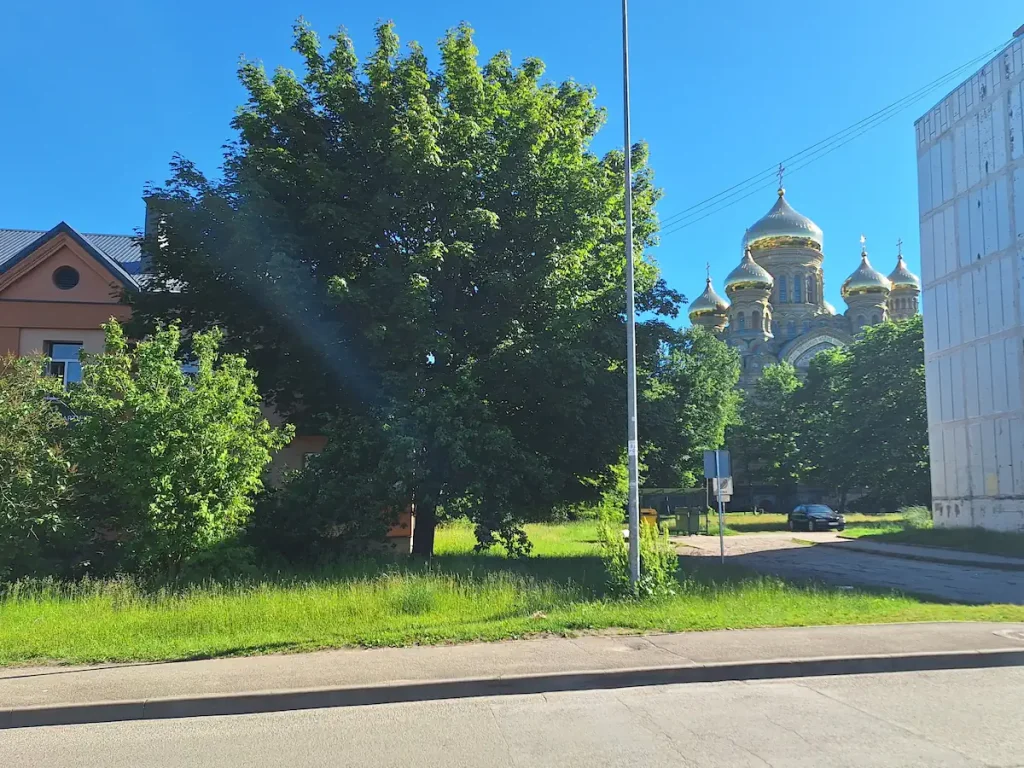
The city has never been straightforwardly anything: not purely Latvian, not purely German, not purely Soviet, even during the decades when the naval base at Karosta turned a third of the city into a closed military zone.
That layered identity is part of what makes (un)rest an honest programme title. The city has been in a state of negotiation with itself for over a century. It knows what unrest feels like. It also knows how to keep going.
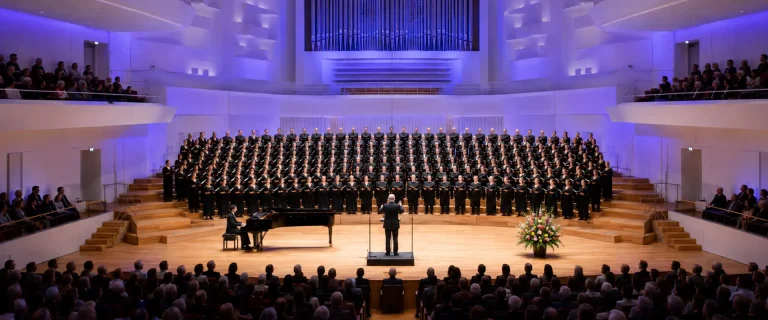
The Liepāja Symphony Orchestra was founded in 1881 — the oldest in the Baltics. The city’s first professional theatre opened in 1907. The Holy Trinity Cathedral houses what is claimed to be the world’s largest unmodified mechanical organ, with more than 7,000 pipes. These are not recent additions to justify a bid.
They are a 150-year cultural infrastructure that the ECoC designation is building on, not creating from nothing. See the Great Amber Concert Hall, Liepāja Theatre and Holy Trinity Cathedral organ profiles for each of these in detail.
The Rock Capital Angle
There is one part of Liepāja’s cultural identity that often surprises people. The city is widely referred to as Latvia’s rock capital. The reputation goes back to the Soviet era, when Liepāja’s relative distance from Riga, and the closed nature of the Karosta naval zone, created a kind of cultural blind spot — a place where musicians could operate with slightly more freedom than in the capital. The city produced bands and a scene that outlasted the conditions that created it.
This is not incidental to the ECoC programme. One of the five thematic strands — European Dream — asks what European identity means in a place that spent fifty years being told what it was. The rock music angle is one honest answer.
The Wider (Un)Rest Land
Liepāja is not alone in this. The ECoC designation covers three territories: Liepāja city, the South Kurzeme Region, and the Kuldīga Region. Kuldīga’s Old Town is a UNESCO World Heritage Site. The South Kurzeme Region is the largest in Latvia by area, with a coastline that has been producing Baltic amber for millennia.
The programme treats this as a landscape with cultural layers, not a collection of sites. That is a different and more interesting ambition than most Capital of Culture bids manage.
Why Not Riga?
Riga has been a European Capital of Culture — in 2014. It is the obvious choice for any European cultural programme in Latvia. Liepāja is the less obvious one, and that is why the designation is more interesting here.
The ECoC programme exists, in part, to surface cultural life that the main circuit doesn’t reach. A city of 67,000 people with a nineteenth-century symphony orchestra, a Soviet military legacy, a punk music history, and a coherent philosophy about rest and unrest — that is exactly what the designation is for.
Visiting Liepāja for the 2027 Programme
The (un)rest programme runs from April to December 2027 across Liepāja, South Kurzeme, and Kuldīga. Liepāja is a three-hour drive or bus journey from Riga — see getting to Liepāja for the full range of options. For accommodation and everything else you need to plan a visit, this site has the practical side covered.