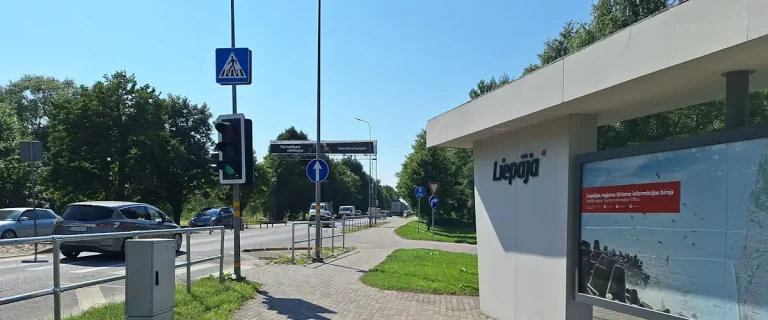
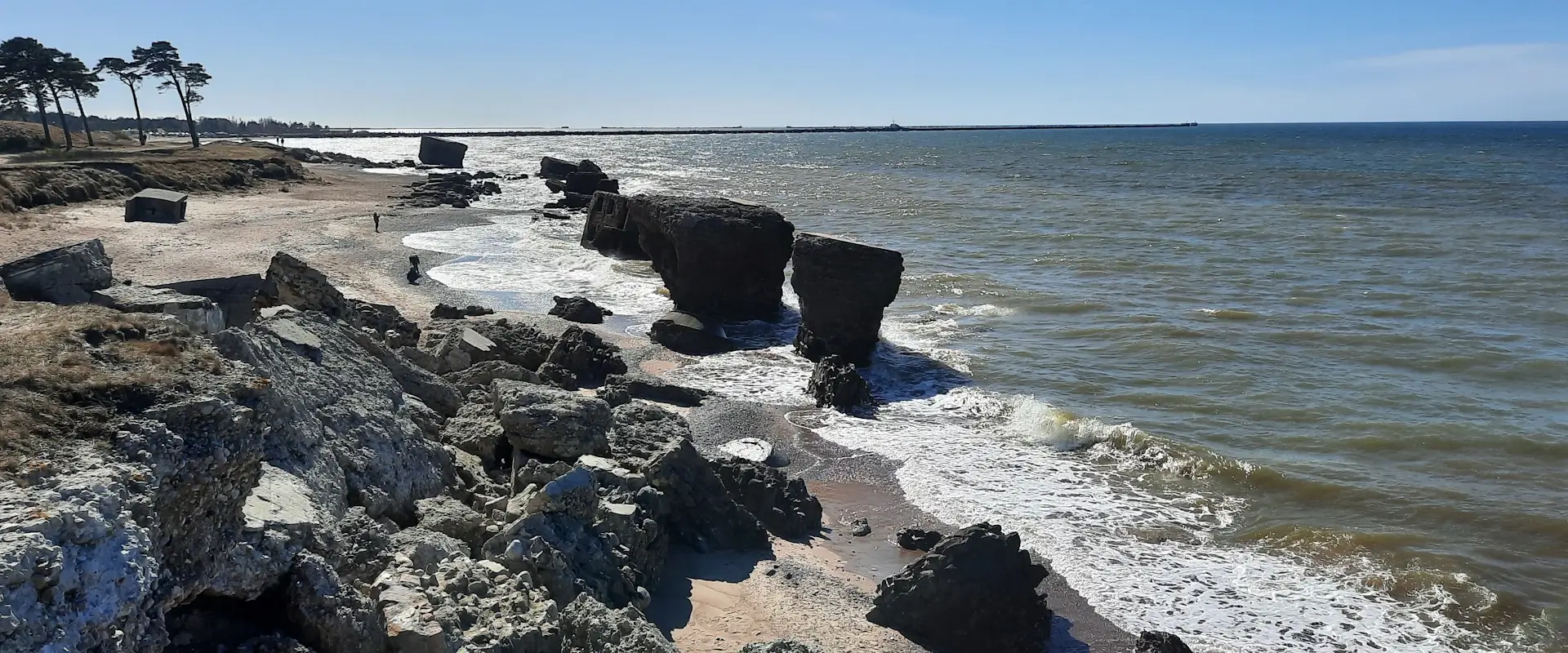

The best things to do in Liepāja are Karosta Prison, the Northern Forts on the open Baltic, St Nicholas Naval Cathedral, the 8km Blue Flag beach and a concert at the Great Amber Concert Hall (Lielais Dzintars). They split across two halves of the city, 4km apart, and that split is where most short visits go wrong. I live here. This guide covers what’s worth your time, how long you need, and how to sequence it so you’re not crossing town twice.
Most people planning a trip to Latvia build around Riga and treat everything else as a maybe. Liepāja is 220km southwest and gets a fraction of the international attention. That’s not the problem.
The problem is what happens when visitors do decide to go. They book a night, arrive in the city centre, spend the afternoon on the beach, and leave having missed the half of the city that most defines it. Karosta — the former Soviet naval base 4km north — is a different world, and it rarely features in a single-night itinerary.
Key Takeaways
Quick facts — Liepāja
- Location: Baltic coast, western Latvia, 220km from Riga
- Population: Around 67,000
- Getting there: Bus from Riga, car via the A9, or ferry from Travemünde
- Time needed: 2 days minimum; 3 days recommended
- Best for: History, Karosta, Baltic beach breaks, and music
- Not ideal if: You only have one day from Riga or want resort-style beach facilities
- Book ahead: Karosta Prison tours, Great Amber concerts, and Summer Sound festival
In this guide
What kind of city is Liepāja?
Liepāja is Latvia’s third-largest city, with around 67,000 residents on the Baltic coast 220km west of Riga. It divides into two distinct halves: a walkable city centre with Art Nouveau architecture, a 8-km Blue Flag beach, and the largest concert hall in the Baltic states; and Karosta, a former tsarist and Soviet naval base 4km north, which has a completely different atmosphere and a different history.
Understanding this split before you arrive shapes everything else about how you plan the trip.
The centre is a functioning city — markets, restaurants, parks, architecture to walk through. Karosta is something harder to categorise: a decommissioned military zone that’s now partly residential, partly heritage site, and partly still being figured out.
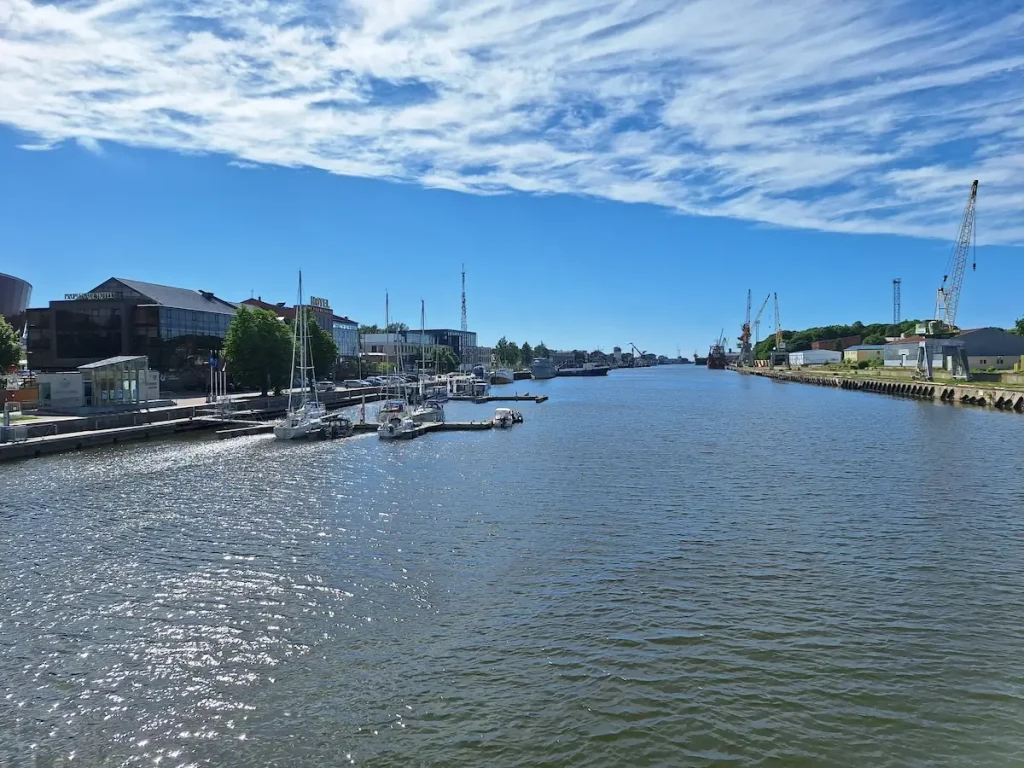
Liepāja is known domestically as the City of Music. The Great Amber Concert Hall, the Liepāja Symphony Orchestra, the Summer Sound festival, and the Latvian Musicians’ Walk of Fame all point to a cultural identity that runs deeper than the usual “post-Soviet port town” framing. That identity has weight.
How many days do you need in Liepāja?
Two full days covers the main attractions comfortably — one day for the city centre and beach, one for Karosta and its surroundings. One day from Riga is possible but tight, and means choosing between the two halves of the city. Three days adds the Northern Forts properly, space for a slower pace, and a realistic option for a day trip south to Bernāti.
| Duration | What fits | What gets cut |
|---|---|---|
| 1 day | City centre + beach or Karosta, not both realistically | You’ll see half the city |
| 2 days | City centre, beach, Karosta, main highlights | Day trips; Northern Forts at depth |
| 3+ days | Full city, Northern Forts, day trip option | Nothing significant |
The 3.5-hour bus from Riga makes a single-day visit a long day for modest return. If you’re weighing whether it’s worth it, the honest answer is: come for two nights minimum or save it for a longer Latvia trip.
Things to do in Liepāja
The best things to do in Liepāja are Karosta, the Northern Forts, St Nicholas Naval Cathedral, Liepāja Beach, Jūrmalas Park, Great Amber Concert Hall, Pētertirgus (Peter’s Market), and the walkable city centre. Two days lets you cover the main ground without rushing.
History and military heritage
Karosta occupies the northern third of Liepāja. Built from 1890 onward as a naval base for Tsar Alexander III, it became the largest military facility ever constructed on Baltic soil — a closed city within a city during the Soviet period, invisible on maps, inaccessible to ordinary Latvian citizens. Soviet forces withdrew in 1994. What remains is partly residential, partly crumbling, and partly unlike anything else in the country.
Karosta Prison The military prison in Karosta operated from the tsarist period through to 1997. It’s now one of the most visited dark tourism sites in the Baltics — guided tours, an immersive overnight prisoner experience, and an escape room. The standard tour is worthwhile; the overnight experience is deliberately confrontational and isn’t for everyone. Sells out in summer.
→ The complete guide to Karosta tells more about this unique part of Liepāja, Latvia, and the entire Baltic region.
Northern Forts (Ziemeļu forti) A string of early 20th-century coastal fortifications north of Karosta, several of which have been partly swallowed by the sea. What remains is atmospheric — crumbling concrete bunkers, rusted iron, long Baltic views with nothing in the way. Best reached on foot or by bike from Karosta.
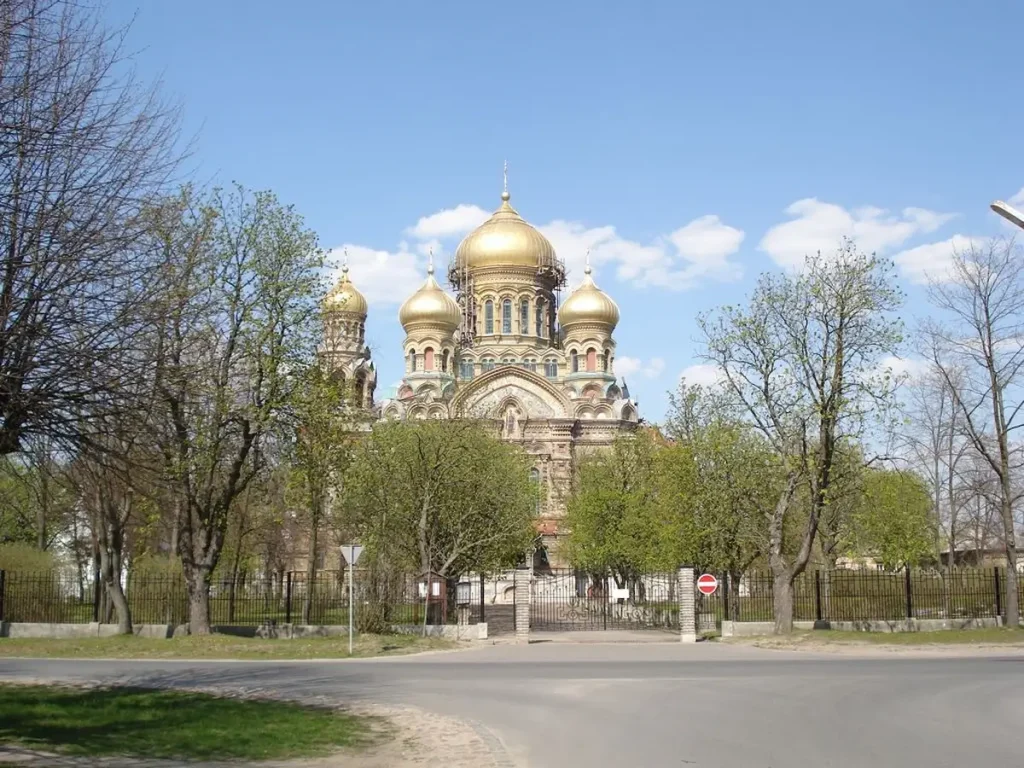
St. Nicholas Naval Cathedral Built between 1900 and 1903 for the Russian Imperial Navy and consecrated by Tsar Nicholas II, the cathedral sits in the middle of Karosta’s residential blocks. White walls and gold domes against Soviet-era concrete — the visual contrast is jarring in the best way. Still an active Orthodox church. Worth 30 minutes.
Norwegian Bridge (Oskars Kalpaks Bridge) The 1906 metal swing bridge connects the city centre to Karosta. Watch it open for passing vessels. A small thing, but it earns its stop.
Šķēde Dunes Holocaust Memorial 8km north of the city. This site marks the 1941 execution of more than 7,500 people — predominantly Jewish residents of Liepāja and the surrounding region — by Nazi forces. A large Menorah-shaped memorial stands in the dunes. Information panels in several languages. A car is needed to get there; public transport doesn’t reach it.
Culture and music
Liepāja’s culture and music scene centres on three permanent venues. Great Amber Concert Hall, opened in 2015, houses the Liepāja Symphony Orchestra, founded in 1881. Liepāja Theatre has operated since 1907. Holy Trinity Cathedral holds an organ of over 7,000 pipes. The cultural venues guide covers these places in more detail.
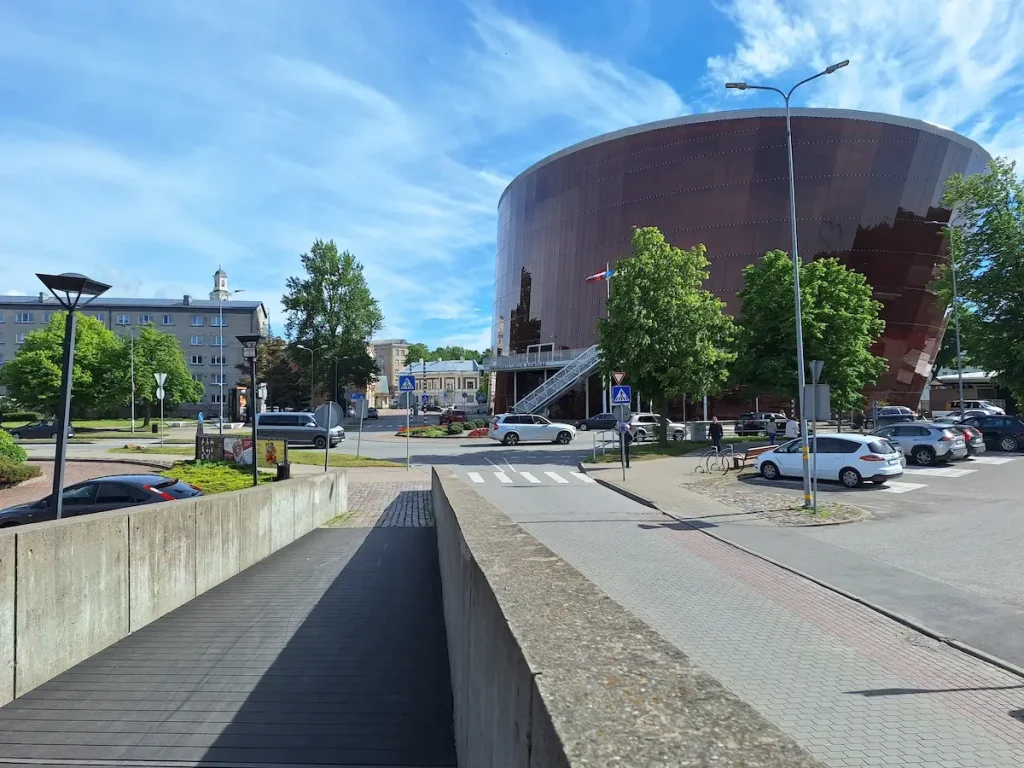
Great Amber Concert Hall (Lielais Dzintars) Latvia’s largest concert hall, opened in 2015 on the city waterfront. Home to the Liepāja Symphony Orchestra — one of the oldest professional orchestras in the Baltics, founded in 1881. The amber-lattice facade is immediately recognisable. Check the programme before you go; the building alone is worth seeing, but attending a performance is considerably better.
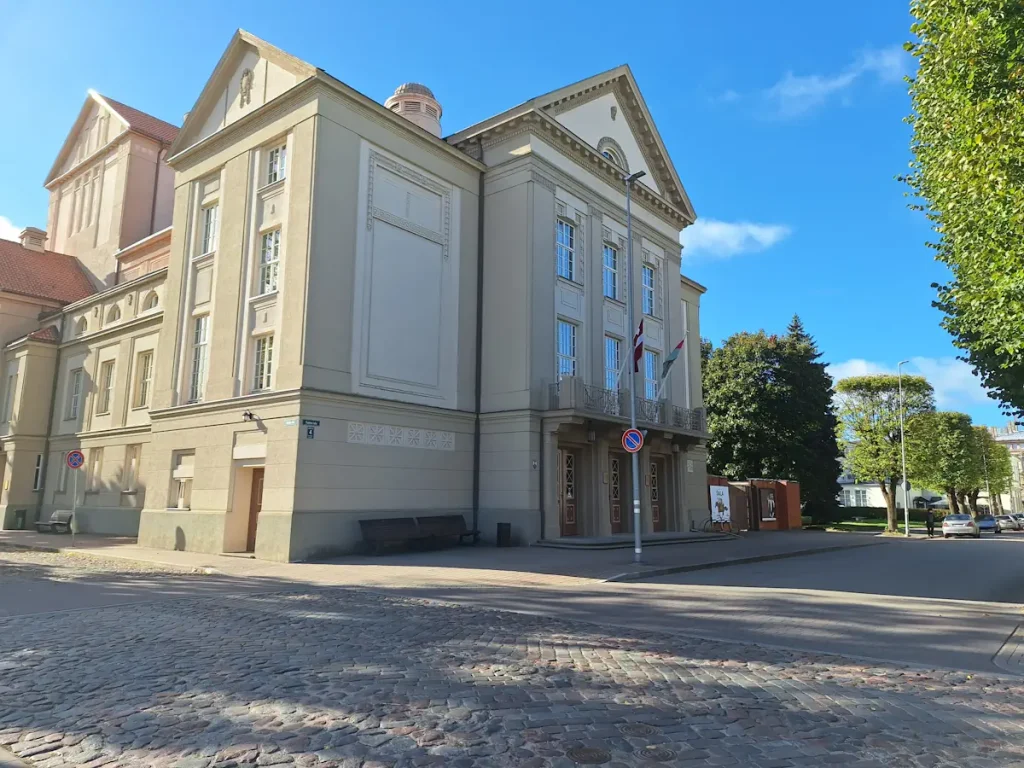
Liepāja Theatre Founded in 1907 and still in regular operation, it’s the oldest professional theatre in Latvia. The recently restored interior retains its original Art Nouveau details — gold, white, and red, exactly as it should be. Performances are in Latvian, which limits access, but the space itself is worth a look.
Latvian Musicians’ Walk of Fame Bronze handprints of Latvia’s most significant musicians set into the pavement through the city centre. Nearby, the Līvi Ghost Tree — an interactive installation celebrating the legendary Latvian rock band Līvi — plays music samples when approached and lights up after dark. Low-key, but a good ten-minute stop.
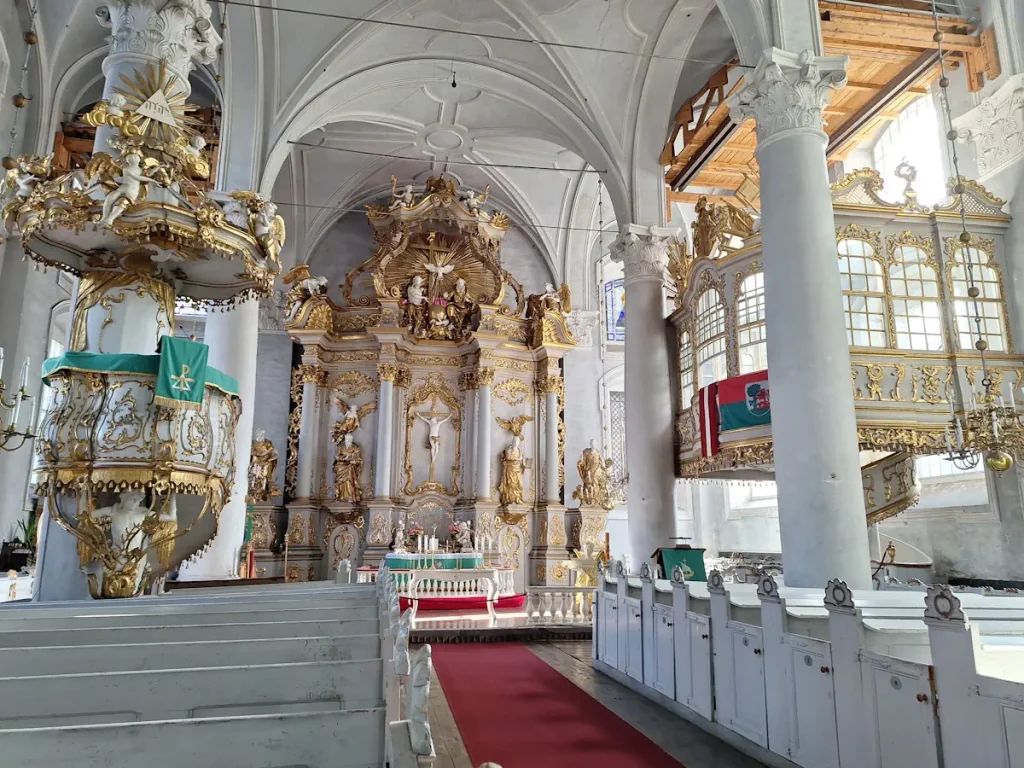
Holy Trinity Cathedral The cathedral houses one of the largest unreconstructed mechanical pipe organs in the world — over 7,000 pipes, built in the 18th century. Regular organ performances are scheduled throughout the year. Climb the tower for the best elevated view of the city and coastline.
→ This comprehensive guide to events and concerts in Liepāja can help you plan your visit.
Beaches, nature, and outdoor life
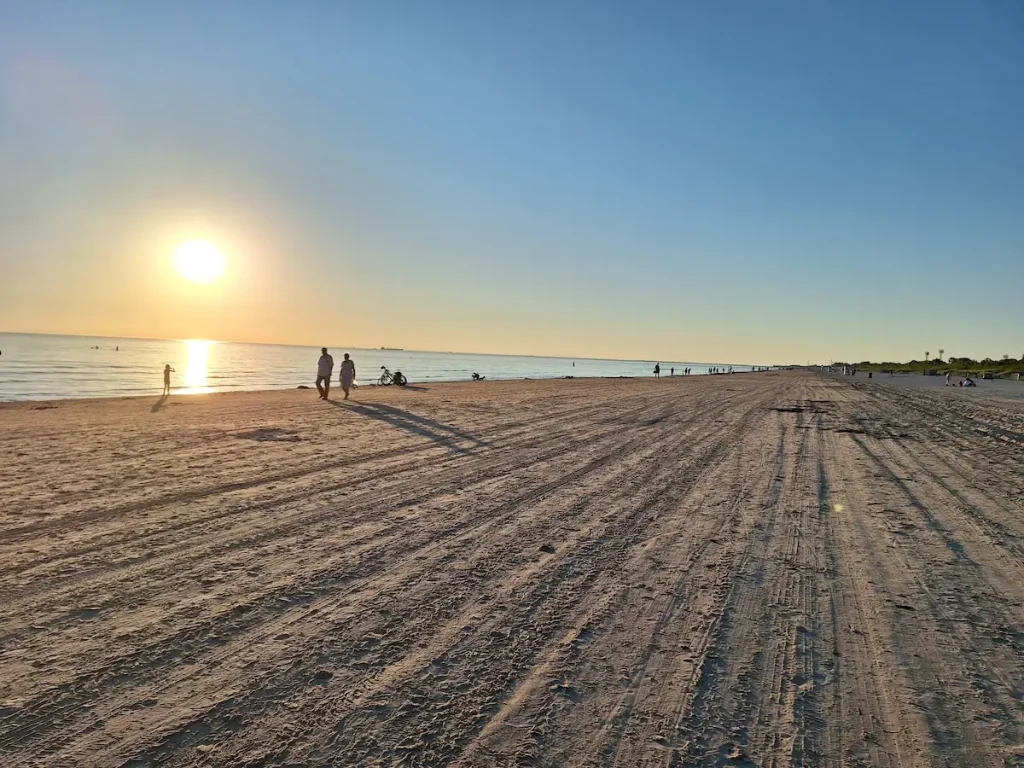
Liepāja Beach is a long stretch of sandy coastline 8 km long and Blue Flag certified. The sand is fine and pale. The water is shallow, lifeguards on duty from May through Septembers, and it’s rarely crowded given the scale. New facilities like showers, permanent toilets, and wheelchair access has brought the standard up. There are also changing areas every 150 m and a handful of beach bars. Full guide: Liepāja Beach →
Jūrmalas Park (Seaside parks) A kilometre of pine trees, paved paths, playgrounds, and outdoor concert space between the city and the beach. Large enough to lose a couple of hours in without repeating yourself. Open-air cultural events run here through summer.
Zirgu Sala A small island in Lake Liepāja, reached by pedestrian bridge. Walking trails, picnic spots, quiet. Good for an hour away from the main visitor circuit.
Lake Tosmare A calmer counterpart to the main lake, with cycling paths around the perimeter and decent birdwatching from the shoreline.
Bernāti Beach 16km south, within a protected nature reserve — pine forest, dunes, and a beach that sees a fraction of Liepāja’s visitor numbers. Wild horses roam the Pape reserve to the south. Worth the trip if you have a car and a third day. [See day trips section below →]
Adventure and active experiences
Tarzāns Adventure Park A treetop obstacle course with routes for different ability levels. Works well for families and groups. [Full guide: Tarzāns →]
Drift Arena Latvia’s dedicated drifting and motorsport facility on the edge of the city. One of the more unusual things to do in Liepāja — whether as a spectator or behind the wheel. [Full guide: Drift Arena →]
Liepāja Olympic Centre (LOC) Pools, waterslides, saunas, and a spa. Most useful on a rainy day or for families who want a guaranteed dry-weather option. Open year-round.
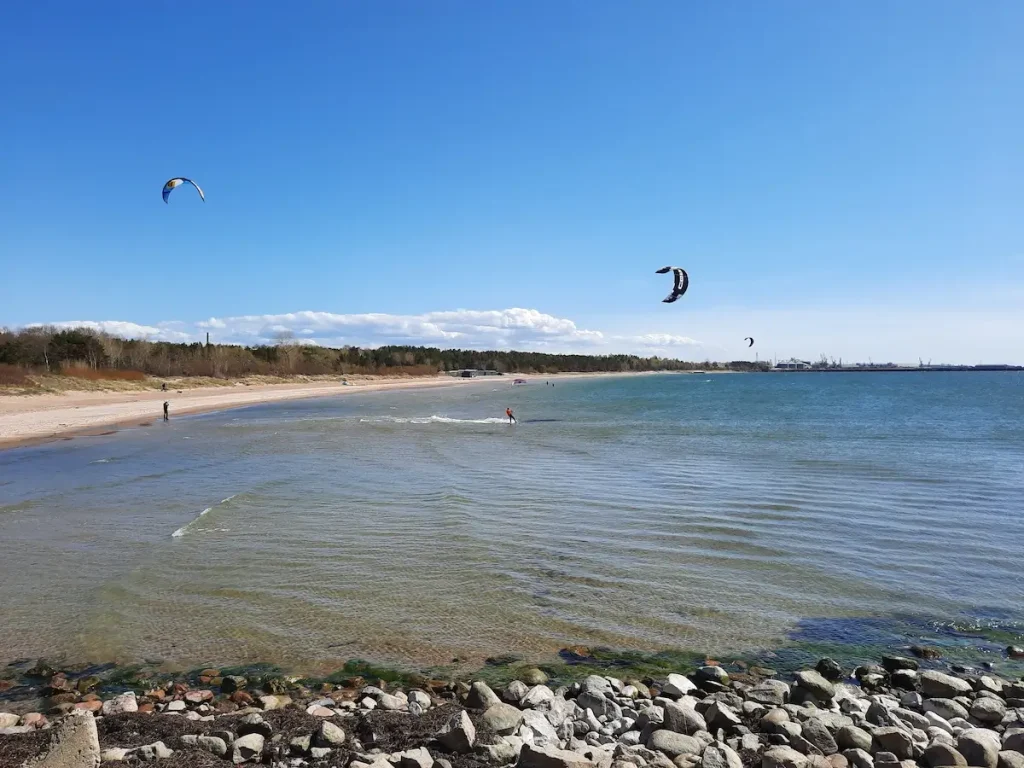
Water sports The Trade Canal and Lake Liepāja offer cable wakeboarding, kayaking, and paddleboards for hire. The exposed coastline makes the area one of Latvia’s better spots for kitesurfing and windsurfing — the wind is consistent enough to count on.
Food, markets, and local life
Peter’s Market (Pētertirgus) Latvia’s second-largest market after Riga Central, spread across an open-air section and a large indoor pavilion. The morning session is worth attending — fresh fish from local boats, Kurzeme cheeses, dark rye bread, and produce that doesn’t travel far.
This is where people actually shop, which makes it more genuinely useful as a cultural stop than most tourist-facing markets. Try the kvass — fermented rye drink, served cold from vendors at the entrance.
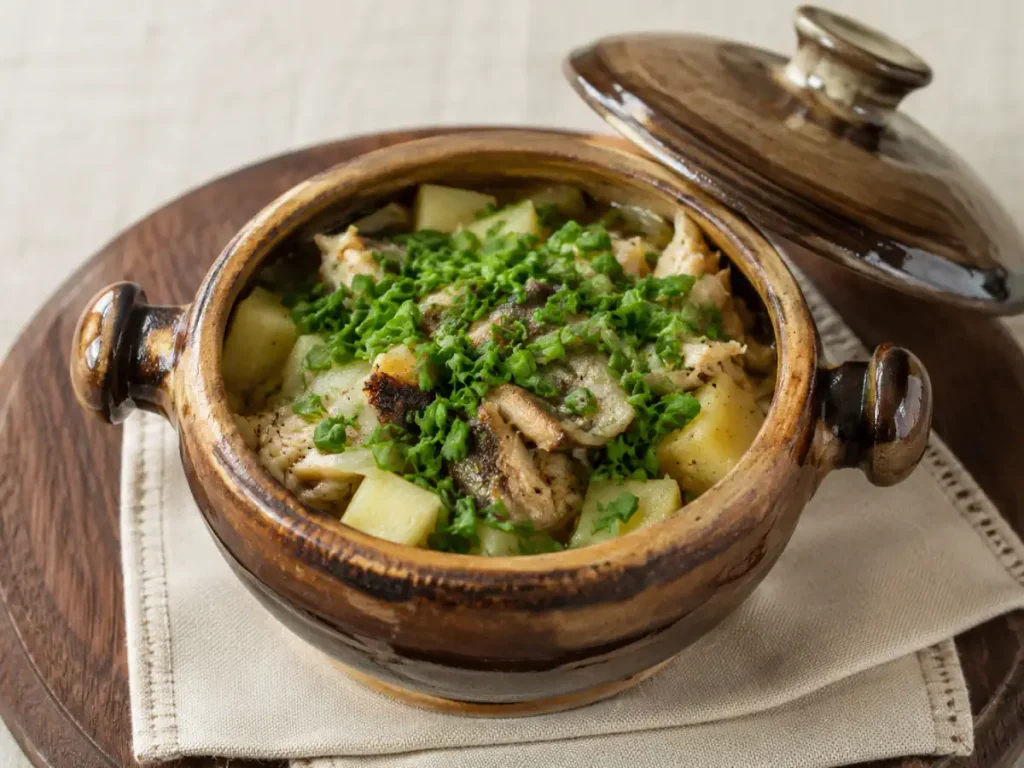
Liepājas menciņi Small fried cod in a sharp onion and cream sauce. The city’s defining dish, found at several restaurants but most reliably at Bruno Bar. Worth ordering once, ideally with a cold beer.
Liepāja has more good restaurants than its size suggests, including Mo, which is listed in the Michelin Guide. My ranked list of the best restaurants in Liepāja covers which ones to book ahead and the one place worth skipping. For cheaper lunches, local dishes and what things cost, see where to eat in Liepāja, and my guide to Liepāja’s cafés covers coffee and pastries.
Evenings and nightlife
Liepāja isn’t a late-night city by the standards of Riga or Vilnius, but it has options. Three places worth knowing:
Big7 is the main nightclub — central location, the place to go if dancing is the plan.
Summertime covers live music. Regular acts, a relaxed atmosphere, consistently recommended by locals.
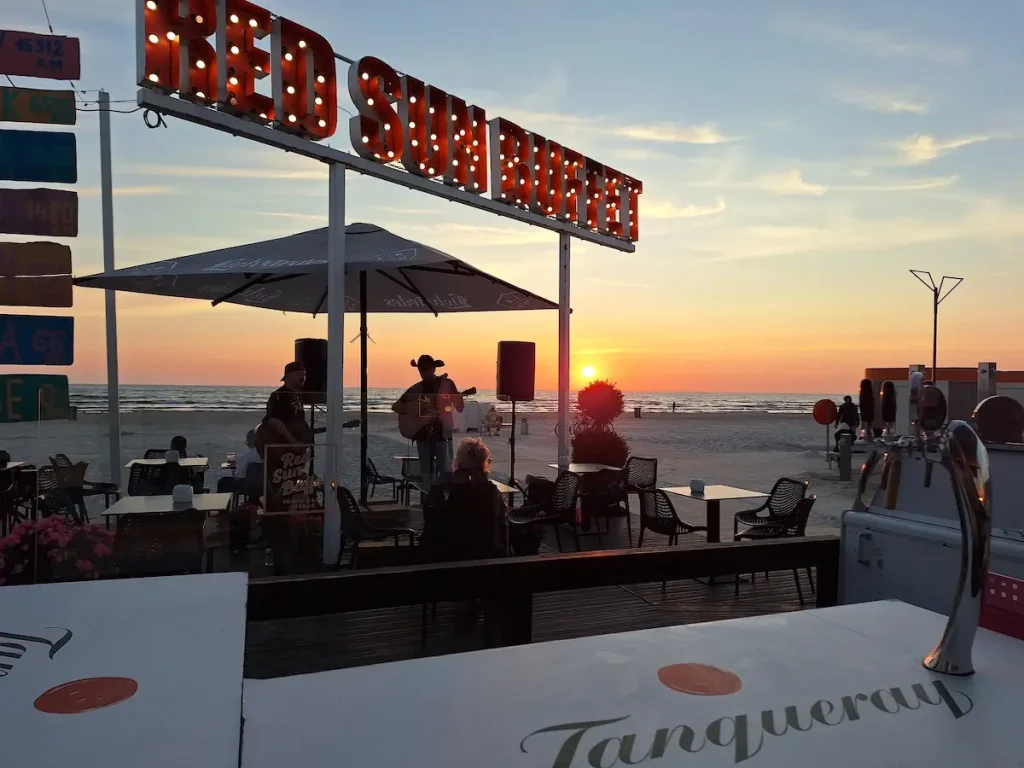
Sun Red Buffet sits on the beach and operates through the summer months as a bar. The natural choice for early evening drinks while the light goes. As the sun drops into the Baltic from this stretch of coast, it does so directly ahead of you — west-facing shoreline, no obstruction.
Liepāja itinerary by visitor type
The city divides naturally into two halves — centre and Karosta — and the right itinerary depends on what you’re after. History-focused visitors should prioritise Karosta. Beach and nature visitors can spend an entire trip without crossing the Norwegian Bridge. Most people benefit from at least half a day in each.
The history and dark tourism visitor
Day 1: Peter’s Market in the morning, then the city centre — Art Nouveau architecture along Kūrmājas prospekts, Holy Trinity Cathedral (organ performance if scheduled), Liepāja Museum for regional context. Evening at Great Amber or Kapteinis.
Day 2: Full day in Karosta. Karosta Prison morning tour (book ahead), St. Nicholas Cathedral, Karosta Beach in the afternoon, and enough time to walk the Northern Forts before the light goes. A third day allows the Northern Forts more properly — the site rewards time.
The music and culture visitor
Check Great Amber’s programme before you book dates — if there’s a Symphony Orchestra performance during your stay, that shapes the itinerary. Walk the Musicians’ Walk of Fame and Līvi Ghost Tree. Visit the Liepāja Theatre, even if just to see the interior. An evening at Summertime for live music.
If your timing aligns with Summer Sound — late July into early August — the festival draws 20,000+ visitors and dominates the beach and park area for two days. Good or inconvenient depending on your preferences.
The beach and nature visitor
Day 1: Liepāja Beach and Jūrmalas Park. Zirgu Sala in the late afternoon. Sun Red Buffet on the beach at sunset.
Day 2: Bernāti Beach and Pape Nature Reserve (car required — 30 min south). The dune trails take a couple of hours; the bird lagoon at Pape is worth the detour.
Even on a nature-focused trip, Karosta is worth a half-day. The beach there has a different character — narrower, exposed, with Soviet structures half-submerged in the water. It’s not a swimming beach; it’s a photography and atmosphere beach.
The family short break
Jūrmalas Park for the playground and paths. Tarzāns Adventure Park for the treetop courses. Liepāja Olympic Centre as a reliable backup when the Baltic decides it’s not going to cooperate. Peter’s Market for lunch — the indoor section is covered and the stalls hold children’s attention for longer than you’d expect.
Liepāja Museum works for older children. Karosta Prison’s immersive tour experience is designed for adults — the standard guided tour is more suitable for families with teenagers.
Is Liepāja right for you?
Liepāja suits independent travellers who want a Baltic beach break without the crowds of Jūrmala or the price point of Tallinn, history visitors drawn specifically to Soviet and tsarist military heritage, and music enthusiasts — particularly during Summer Sound. It’s best visited June through September. It’s a harder sell as a day trip from Riga; the 3.5-hour bus each way is a real time commitment for a single day.
Best for:
- History and dark tourism — Karosta is one of the most significant Soviet military sites open to visitors in Northern Europe
- Baltic beach breaks without the crowds — 8km of Blue Flag coastline, rarely busy given its scale
- Music and cultural events — Summer Sound and concerts at the Great Amber concert hall
- First-time Latvia visitors who want to see the country beyond Riga
- Ferry arrivals from Germany — Liepāja is the landing point for the Stena Line crossing from Travemünde
Not ideal if:
- You only have one day from Riga — the 3.5-hour journey is a significant chunk of a single day
- You want resort-level beach infrastructure — the beach is excellent but basic
- You’re visiting October through April and want a full restaurant and nightlife scene — the city quietens significantly outside summer
- You’re considering the Karosta Prison immersive experience with young children — it’s deliberately confrontational and not designed for that audience
On the wind: Liepāja’s coastline is genuinely exposed. The wind is not occasional weather — it’s a feature of the place, present most days, sometimes significantly. On a breezy day, the main beach can be uncomfortable for extended sunbathing. Pack layers even in July; temperatures feel lower than forecast when the Baltic wind is running. The same conditions make Liepāja one of the better spots in Latvia for kitesurfing and windsurfing.
On the quiet season: Outside June through September, tourist-facing businesses reduce hours or close entirely. Great Amber, the Theatre, and the Liepāja Museum operate year-round; beach bars and outdoor activity operators do not. Winter visits are possible and have their atmosphere — particularly around the Karosta sites — but go in with accurate expectations.
Liepāja versus the alternatives: Jūrmala is overbuilt and overpriced for what it is — it functions more as a Riga suburb than an independent destination. Palanga in Lithuania is good but extremely busy in July and August. Pärnu in Estonia is a reasonable comparison point but adds border complexity for some itineraries. Liepāja offers the same Baltic coastline at a fraction of the crowds, considerably more historical depth, and a cultural identity that neither Jūrmala nor Palanga can match.
Check out my opinions on which is best: Liepāja beach vs. Palanga.
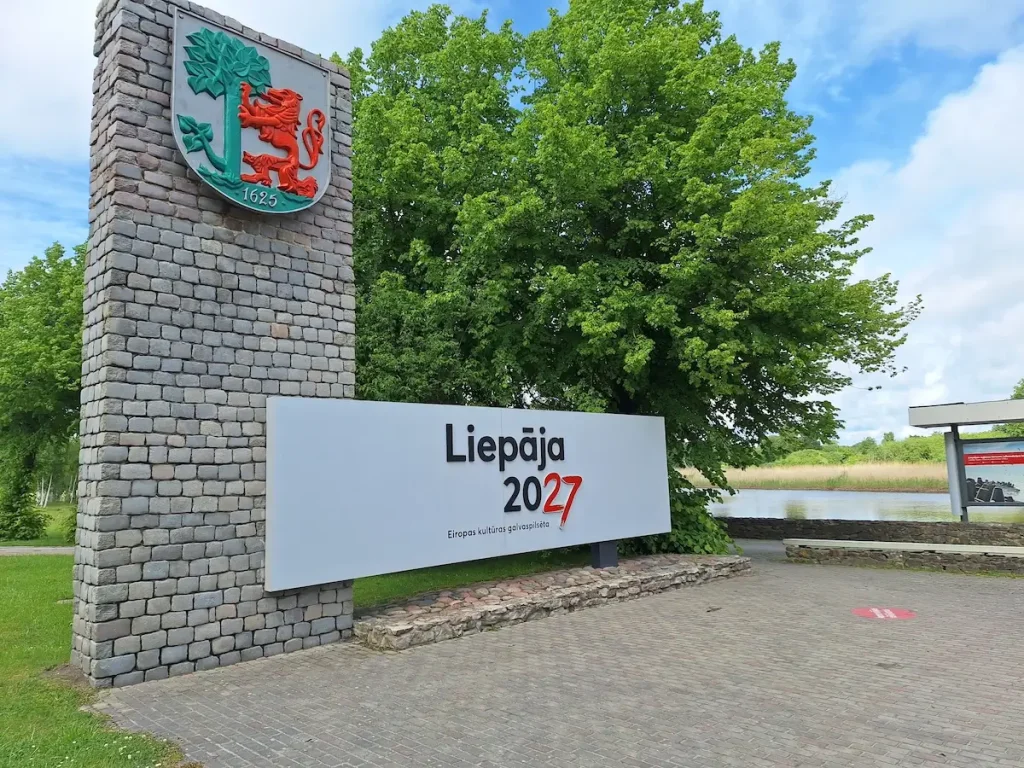
Visiting in 2027: European Capital of Culture
Liepāja is European Capital of Culture for 2027, alongside Évora in Portugal. The programme, called (un)rest, runs from April to December, and Karosta features prominently in it. If your trip falls in 2027, check the dates before you book. My Liepāja 2027 guide covers what’s on and how to plan around it, and what to expect as a visitor explains how the year works.
The practical recommendation: check the events calendar at liepaja2027.lv before you book dates. If you can align your visit with a significant programme event, it substantially changes the experience.
Getting to and around Liepāja
Most visitors come by bus from Riga (3 to 3.5 hours, around 20 departures a day) or drive the 220km down the A9. From Germany, the Stena Line ferry from Travemünde crosses overnight. My guide on how to get to Liepāja compares every route, including Palanga and Klaipėda.
Once you’re here, the centre is walkable, and most sights are 20 to 25 minutes apart on foot. Karosta is 4km north: buses 3 and 4 get you there in about 20 minutes. Liepāja is flat, so a hired bike covers the centre, the beach and Karosta in a day.
Buy bus and tram tickets in the Liepaja City app (Google Play / App Store), which is cheaper than paying the driver. Bolt works for point-to-point trips.
Day trips from Liepāja
Four destinations within 90 minutes make good additions if you’re staying in Liepāja for more than two days. Car is the easiest way to make a day trip and essential to visit the mini zoo. But buses are available to Bernāti, Grobiņa, and Kuldīga.
For more information, my guide to day trips from Liepāja explains these destinations in more detail, including spending time in Palanga or Klaipeda.
Mini ZOO at Atomi, Nīca (30 min south)
A small farm zoo with ostriches, alpacas, camels, wallabies and meerkats, where feeding the animals is the main draw. Tickets are €6 for adults and €4 for children aged 3–16. Open daily 10:00–18:00 from April to September, with shorter hours in winter.
Bernāti Beach and Pape Nature Reserve (30 min south)
Coastal pine forest, dunes, and one of Latvia’s few populations of wild horses roaming the Pape lagoon area. The beach sees a fraction of Liepāja’s visitor numbers. The lagoon at Pape sits on a significant migratory bird route — binoculars worth bringing in spring and autumn. Combine with a walk through the dune trails for a half to full day.
Grobiņa’s Castle Ruins (20 min east)
A Viking-age archaeological site with Scandinavian settlement evidence dated to the 7th–9th centuries. One of the most significant early medieval sites in western Latvia. A small, well-organised museum on site gives it context. Often overlooked; rarely crowded.
Kuldīga (90 min northeast)
Latvia’s best-preserved historic small town — 17th-century wooden architecture, cobbled streets, and the Venta Rapid (Kuldīgas rumba): the widest natural waterfall in Europe. A strong half-day and a natural counterpoint to Liepāja’s coastal and military character. Worth combining with an overnight if you’re driving back to Riga.
Key takeaways
- City split: Liepāja divides into the city centre and Karosta, 4km apart
- Time needed: Two nights minimum; three if you want the Northern Forts and a day trip
- Weather: The wind is a permanent feature, not an occasional surprise
- Culture: Latvia’s “City of Music”: a concert hall, an organ cathedral and a rock heritage out of proportion to the city’s size.
- Beach: Liepāja gives you more depth and fewer crowds than Jūrmala or Palanga
Frequently asked questions
What is Liepāja known for?
Liepāja is known as Latvia’s City of Music, with the Great Amber Concert Hall, Summer Sound festival, and Latvian Musicians’ Walk of Fame. It is also known for Karosta, a former Soviet naval district, and for its 8 km Blue Flag beach on the Baltic.
How do I get from Riga to Liepāja?
The most common route is by bus from Riga’s main bus station, taking around 3 to 3.5 hours. Operators include Lux Express and Ecolines. By car via the A9 highway, the journey takes around 2.5 to 3 hours.
How many days should I spend in Liepāja?
Two full days is the practical minimum: one day for the city centre and beach, one for Karosta. One day from Riga is possible but tight. Three days adds the Northern Forts properly and leaves space for a day trip to Bernāti or Kuldīga.
Is Liepāja good for families?
Yes, with some planning. The beach, Seaside Park, Tarzāns Adventure Park, and Liepāja Olympic Centre all work well for families. Karosta Prison’s immersive experience is designed for adults, while the standard guided tour suits families with teenagers better.
What is Liepājas menciņi?
Liepājas menciņi is the city’s traditional dish: small pieces of fried cod served in a sauce of onions and cream. It has been associated with the city for over a century and is found at several restaurants, including Bruno Bar.
What is the best time to visit Liepāja?
June through September is best for the full experience: beach, outdoor events, Summer Sound, and the city at its most active. May and September are quieter shoulder months. Outside this window, some businesses reduce hours, but Karosta, the beach, and cultural venues remain available.
Is there a zoo near Liepāja?
The nearest zoos are outside the city. The Mini ZOO at Atomi, in Nīca parish, is a small farm-style zoo with alpacas, camels and meerkats. Cīruļi, Riga Zoo’s affiliate about 50 km from Liepāja, has the largest captive herd of kiangs in the world and Latvian blue cows. Both are best reached by car.