
The Liepāja Symphony Orchestra is staging Opera by the Sea as part of the city’s European Capital of Culture year. Two dates: 24 July 2027 and 9 October 2027. July on the Baltic coast is a reasonable proposition. October is another matter, and presumably the orchestra knows this.
Quick facts — Opera by the Sea
- Dates: 24 July 2027 and 9 October 2027
- Performed by: Liepāja Symphony Orchestra (founded 1881)
- Venue: Great Amber Concert Hall
- Best for: Classical music fans wanting the July date’s high-summer atmosphere, or a quieter October trip
- Not ideal if: You’re attending October expecting summer weather — the Baltic wind is back to its usual register by then
- Getting there: Three hours from Riga by road or bus — see getting to Liepāja
The LSO is not a young institution dressing up for a special occasion. It was founded in 1881 — the oldest symphony orchestra in the Baltics — and has been playing continuously through empires, occupation, independence and everything that followed. A European Capital of Culture year is, in the context of that history, a relatively recent development.
In this article
Opera by the Sea is the orchestra’s centrepiece contribution to the (un)rest programme. It sits alongside two other major LSO projects for 2027: City Symphony, an outdoor concert performance under the artistic direction of film director Matīss Kaža, and Wind Symphony, an indoor concert ceremony directed by theatre director Laura Groza. The orchestra is not treating ECoC year as a single event. It is treating it as a year.
An Orchestra Older Than the Country It Plays In
The Liepāja Symphony Orchestra was founded in 1881, when the city was called Libau and was part of the Russian Empire. The institution that became the LSO predates Latvian independence by nearly four decades. It predates the modern concept of Latvia as a political entity.
This matters because it shapes what the orchestra is. It was not created by the Latvian state as a cultural institution. It grew out of a German-Baltic merchant city’s civic ambition — the same impulse that built concert halls across northern Europe in the 19th century. That origin gives it a cultural character that is older and stranger than most national orchestras carry.
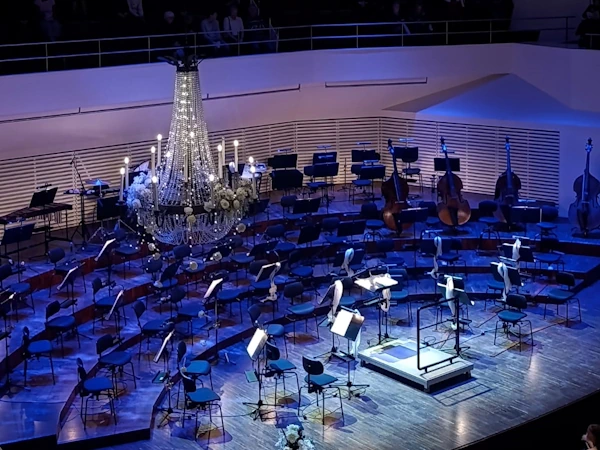
The LSO survived Soviet occupation by continuing to play. That is not a small thing. Cultural institutions in the Baltic states that maintained continuity through the Soviet period did so under conditions that required ongoing negotiation with authorities who had their own ideas about what culture was for. The orchestra that emerged from that period is not sentimental about its own history. It just kept going.
What Opera by the Sea Involves
The Opera by the Sea format places operatic performance in the context of Liepāja’s coastline and its cultural identity as a city defined by the sea.
The July date falls in high summer — the Baltic coast at its most hospitable, the city at its busiest, the sea genuinely swimmable. The October date is a different proposition: post-season, the tourist trade wound down, the wind back to its more characteristic register. Outdoor opera in October on the Baltic requires either a specific venue configuration or a high tolerance for what autumn on the Latvian coast actually feels like.
Composer Ēriks Ešenvalds — one of Latvia’s most internationally recognised composers, known particularly for his choral works — is creating a new piece specifically for the ECoC year. Whether this connects directly to the Opera by the Sea programme or sits within the broader LSO calendar has not been confirmed.
Classical Music in a City That Calls Itself Latvia’s Rock Capital
Liepāja carries two musical reputations that sit in obvious tension. One is the oldest symphony orchestra in the Baltics. The other is the informal designation — used by Latvians, not just the city’s tourist board — as the country’s rock capital. A disproportionate number of Latvian rock bands have come from Liepāja. The reasons for this are not entirely clear, which makes the fact more interesting rather than less.
The two traditions coexist without particular friction because both are genuinely rooted in the city. The LSO is not a classical music outpost in a rock town. Liepāja is a music city, full stop — one that produces both an 1881 symphony orchestra and several decades of rock bands, without either tradition needing to explain itself in relation to the other.
The (un)rest programme leans into this. City Symphony — the outdoor concert event directed by Matīss Kaža — is a deliberate attempt to bring orchestral music into a public, open-air context that is not the concert hall. Stars in Amber, a new international concert series at Great Amber, brings world-class musicians who have never performed in Liepāja before to an audience that has always been there. The programme is expanding the frame, not replacing what already exists.
The Concert Hall the Orchestra Waited 134 Years For
Latvia’s third city sits on the Baltic coast with Liepāja Lake to its east and the sea to its west. Around 70,000 residents. Three hours from Riga by road. The city was Libau under German and Russian imperial rule — a port with a cosmopolitan cultural life that the 20th century reduced and then gradually rebuilt.
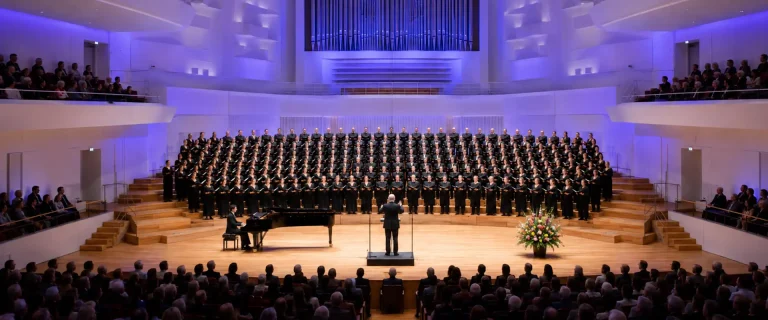
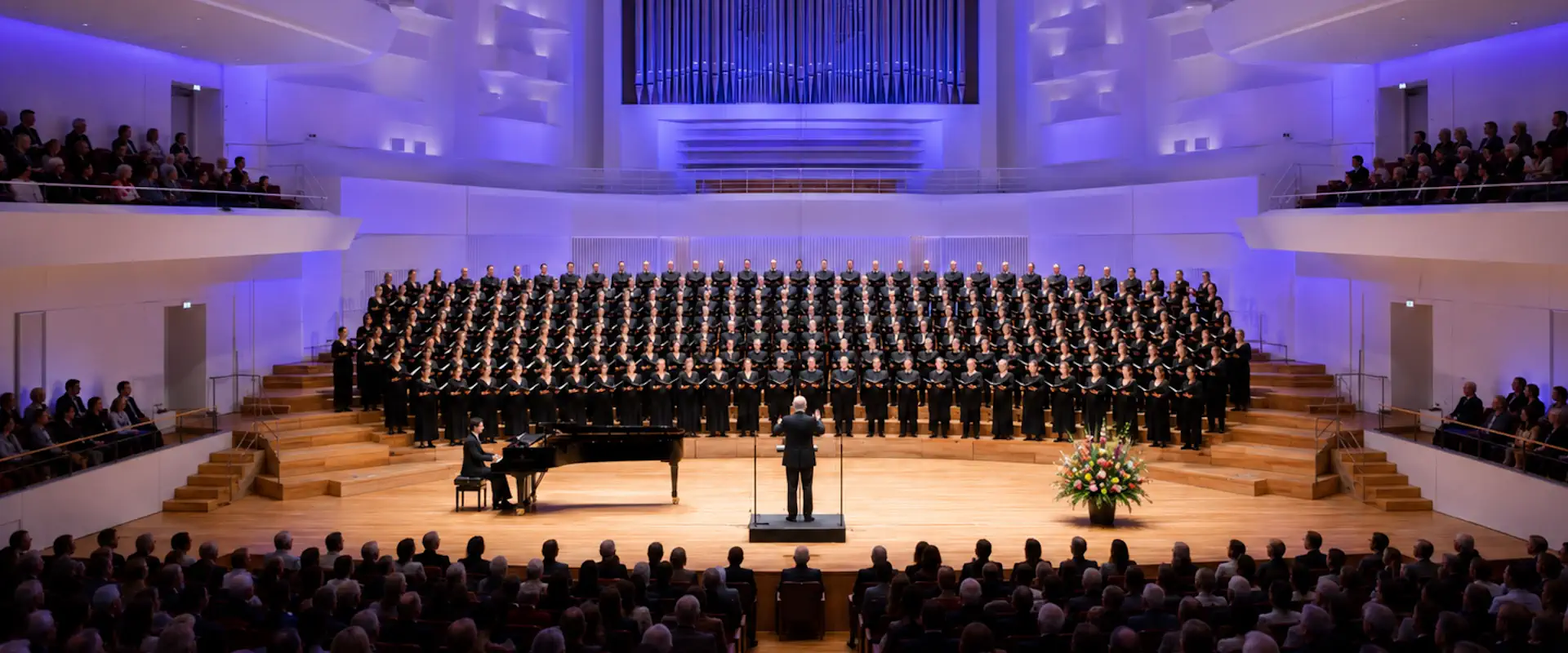
The Great Amber Concert Hall — Lielais Dzintars — opened in 2015 on the southern edge of the city centre. Designed by Austrian architect Volker Giencke, it gave Liepāja its first purpose-built concert venue of European standard. The hall’s amber-coloured glass cladding has become the city’s most recognisable modern landmark. The LSO plays there. Opera by the Sea plays there. Much of the 2027 programme runs through it.
The wind is constant. In July it is pleasant. In October it is not, and anyone planning to attend the second Opera by the Sea date should factor this into their expectations rather than discovering it on the night.
Why Opera by the Sea Isn’t a One-Off ECoC Special
The ECoC designation, awarded by the European Commission, gives cities a year to put their cultural identity on a European platform. What distinguishes Liepāja’s approach is that it has built the year around institutions and traditions that already exist — the symphony orchestra, the concert hall, the community festival network — rather than importing a temporary cultural identity for the occasion. Opera by the Sea is what the LSO would do anyway, at larger scale. That is the right way to use a European Capital of Culture year.
Visiting Liepāja for Opera by the Sea
The two dates — 24 July and 9 October 2027 — suit very different kinds of trip. July is high summer: full city, full coast, book accommodation early. October is quieter, cheaper, and atmospheric in a way that suits a city like this better than the peak season does.
Liepāja is three hours from Riga by road or bus — see getting to Liepāja. Tickets and programme details are available through the Liepāja Symphony Orchestra and at Lielais Dzintars.